


What is Yellow Jacket Sting Won’t Stop Hurting?
When people say “the pain from a Yellow jacket sting won’t stop hurting,” they usually mean that the pain from a yellow jacket sting lasts longer than expected.
Typically, a yellow jacket sting causes:
- Sharp, burning pain
- Redness and swelling
- Itching or tenderness
These symptoms usually improve within a few hours to a few days.
But if the pain persists for several days or gets worse instead of better, it could indicate:
- A stronger-than-usual reaction to the venom
- An infection at the sting site (especially if there is pus, spreading redness, or a fever)
- An allergic reaction (swelling beyond the sting site, hives, trouble breathing—this is an emergency)
- Persistent irritation from scratching or rubbing the sting
So, in short: “Yellowjacket sting won’t stop hurting” describes a sting where the pain persists or gets worse, indicating that your body is reacting more strongly than usual, or that medical attention is needed.
Yellow jackets are one of the most aggressive stinging insects, and their stings can be incredibly painful. Unlike bees, which sting once and die, yellow jackets can sting repeatedly, injecting venom each time. For most people, the pain goes away within a few hours or days. But what if your yellow jacket sting won’t stop hurting?
Persistent pain isn’t always normal—it could be a sign of infection, an allergic reaction, or simply that your body needs more time to heal. Here’s everything you need to know.
Why do yellow jacket stings hurt so much?
Yellow jackets deliver venom that contains toxins and enzymes designed to cause immediate pain and deter predators. This venom triggers:
- Histamine release → causing redness, swelling, and itching.
- Neurotoxins → which irritate nerves and cause sharp pain.
- Inflammatory response → Your immune system reacts strongly, which increases swelling and pain.
Yellow jacket vs. bee sting: Unlike bees, yellow jackets do not leave their stingers behind. It means they can sting multiple times and inject more venom, causing more severe and lasting pain.
Common symptoms include:
• Sharp burning or stabbing pain
• Redness and swelling at the site of the sting
• Warmth and itching
• Tenderness that can last for hours.
How much does a yellow jacket sting usually hurt?
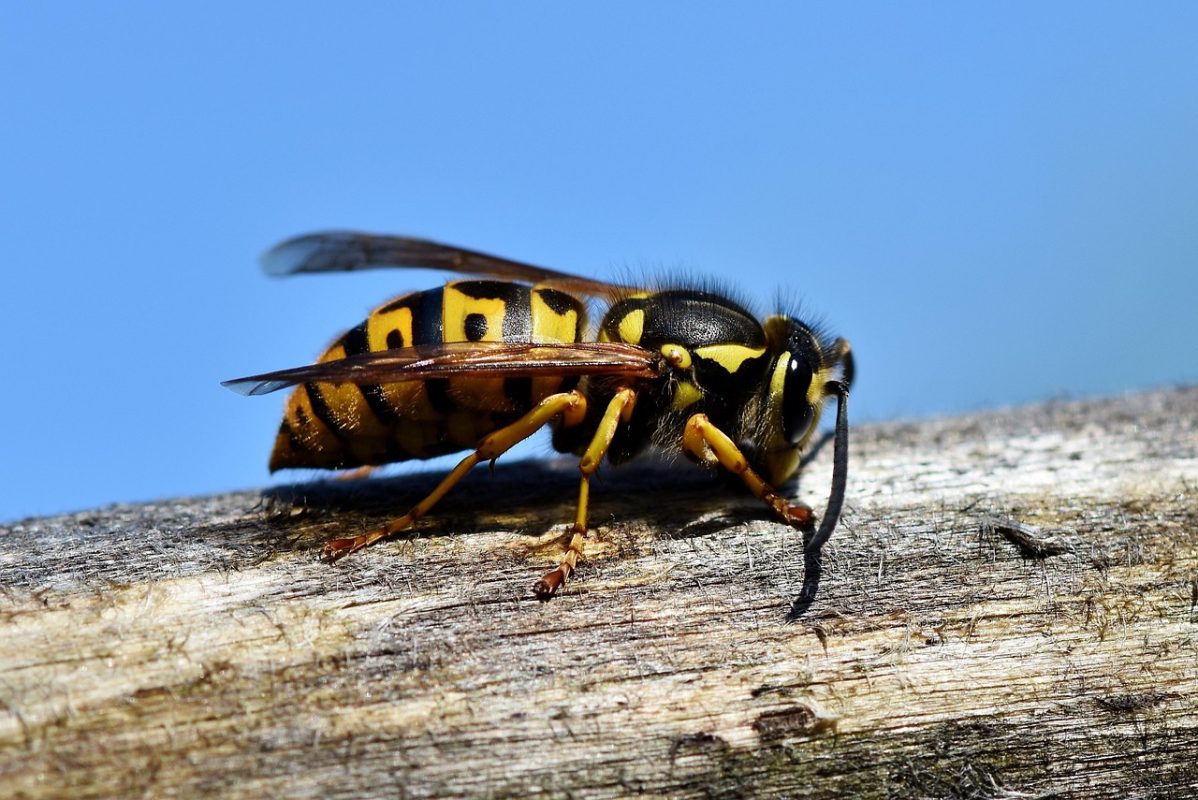
For most people, the pain of a sting lasts from a few hours to 1-2 days. Swelling and itching can last a little longer, but they usually improve steadily.
Factors affecting recovery:
• Location of the sting – Stings on thin or sensitive skin (such as the face or hands) can hurt longer.
• Number of stings – more venom = more pain and swelling.
• Individual sensitivity – some people react more severely to stings than others.
• If your pain lasts longer than a few days, it could be a sign of complications.
Yellow Jacket Sting Won’t Stop Hurting price
Global Cost Estimates
| Type of care / item | Estimated cost (USD) | Notes / range |
| Over-the-counter pain relievers, antihistamines, creams | $5 – $30 | Mild reactions treated at home |
| Doctor’s consultation (general practitioner) | $50 – $200 | Varies widely by country, public vs private |
| Emergency room visit (non-severe) | $100 – $500+ | Depends on hospital, region |
| Allergy testing / skin test for venom allergy | $100 – $300+ | Depends on lab fees |
| Epinephrine (EpiPen or equivalent) | $150 – $500+ | Especially in the U.S. market |
| Hospitalization (if severe or complications) | $1,000 – $10,000+ | In cases of severe reaction, systemic effects |
These ranges are very broad, because medical costs vary a lot between countries, regions, public vs private healthcare, insurance coverage, and the complexity of the case.
🇵🇰 Local Estimate (Pakistan)
| Type of care / item | Estimated cost (PKR) | USD equivalent (approx) | Notes |
| Over-the-counter medicines, creams (antihistamines, analgesics, antiseptic) | Rs. 100 – Rs. 2,000 | ~$0.5 – $12 | For mild cases, home treatment |
| Clinic visit / general practitioner | Rs. 500 – Rs. 5,000 | ~$3 – $30 | Private clinic rates vary by city |
| Emergency / hospital visit | Rs. 2,000 – Rs. 50,000+ | ~$12 – $300+ | Depending on hospital, severity, admission |
| Allergy test or specialized consult | Rs. 5,000 – Rs. 20,000 | ~$30 – $120 | Depending on lab, city |
| Medical device / special relief tool (e.g. insect bite healer) | e.g. BR 60 device costs Rs. 5,600 | ~$35 | A device sold locally for insect bite relief Beurer Pakistan |
When a Sting Won’t Stop Hurting: Possible Causes
If your yellow jacket sting still hurts after several days, here are possible explanations:
- Allergic reaction – In addition to local pain, you may experience hives, swelling outside the sting area, or difficulty breathing. Severe reactions (anaphylaxis) require emergency medical help.
- Infection – If bacteria enter the sting site (especially if you scratched it), symptoms may include increasing pain, pus, redness, or fever.
- Persistent irritation – Constant rubbing, scratching, or exposure to sweat/dirt can keep the area inflamed.
- Multiple stings – If you’ve been stung multiple times, it may take longer for your body to process the venom and recover.
First Aid and Home Remedies for Relief
If your sting pain doesn’t go away, try these steps to soothe it:
1. Clean the area – Wash with mild soap and water to prevent infection.
2. Cold compress – Apply ice wrapped in a cloth for 10-15 minutes at a time to reduce swelling.
3. Pain relief – Over-the-counter medications like ibuprofen or acetaminophen can help reduce pain.
4. Antihistamines – Oral antihistamines (such as diphenhydramine or loratadine) help with itching and swelling.
5. Topical creams – Hydrocortisone cream or calamine lotion can help reduce irritation.
6. Natural options – Baking soda paste (neutralizes the acidity of the venom), aloe vera gel, or honey (anti-inflammatory) can provide relief.
When to see a doctor
Yellow jacket sting won’t stop hurting. Although most stings can be managed at home, medical care is necessary if you notice:
- Severe allergic reaction – difficulty breathing, swelling of the lips/tongue/throat, dizziness, or a fast heartbeat (call emergency services immediately).
- Pain lasts more than 2-3 days without improvement.
- Redness or swelling spreading beyond the sting area.
- Signs of infection – increasing pain, pus, fever, or chills.
If you have ever had a severe allergic reaction to a sting before, keep an EpiPen auto-injector (EpiPen) available and seek immediate care after being stung.
Preventing future stings
The best way to avoid pain is to prevent the sting in the first place:
- Stay calm if contacted – sleeping on yellow jackets makes them more aggressive.
- Cover food and drinks outdoors – they are attracted to sweet smells.
- Wear protective clothing – Long sleeves and closed-toe shoes help when gardening or hiking.
- Use repellents – Some insect repellents can deter wasps and yellow jackets.
- Watch for nests – Yellow jackets nest in the ground or in hidden cavities. Avoid disturbing them.
Conclusion
A yellow jacket sting won’t stop hurting. Jacket sting can be incredibly painful, but the pain usually goes away within a day or two. If your sting doesn’t stop hurting, it could be due to an infection, irritation, or an allergic reaction.
Most cases can be managed with simple home remedies, but don’t hesitate to see a doctor if symptoms persist or worsen. With proper care and prevention, you can reduce your risk and recover more quickly.