


What is a pilot uniform?
A pilot uniform is the official attire worn by airline and commercial pilots, designed to represent professionalism, safety, and authority in aviation. It is instantly recognisable by its sharp, military-inspired design—typically consisting of a white shirt, dark blazer, tie, epaulettes (shoulder straps that indicate rank), hat, and polished shoes.
In addition to appearance, the uniform serves important purposes: It allows passengers to identify pilots easily, provides a sense of confidence and assurance, and reflects the hierarchy of command through insignia such as stripes and wings. The style is rooted in the early 20th-century naval officer uniforms and has since become a global standard across all airlines.
When passengers board an aircraft, one of the first places they see is the pilot in uniform. Crisp shirts, striped epaulettes, and a confident demeanour all signal safety and professionalism. A pilot’s uniform is more than just work attire – it’s a symbol of confidence, recognition, and authority. In the world of aviation, where safety and discipline are paramount, uniforms hold deep meaning for both pilots and passengers.
Pilot Uniform Price Overview
- Pilot Shirts: At BomCrewMall, pilot uniform shirts are priced between $45 and $55.BomCrewMall
- Pilot Pants: Mandh Uniforms lists flat-front sharkskin pilot pants ranging from around $78 to $87.M&H Uniforms
- Pilot Jackets & Sweaters: The Aviation Shop offers jacket sets with epaulettes for about $131 (discounted from $150), and pilot sweaters priced around $95.aviationshop.com
These prices reflect branded or replica collections aimed at aviation professionals or enthusiasts, not uniforms provided by airlines for employees.
Quick Price Table
Uniform Item Typical Price Range
Pilot Shirt $45–$55
Pilot Trousers $78–$87
Pilot Jacket ~ $131
Pilot Sweater ~ $95
Epaulettes $18–$25 (wide range
Summary
If you’re looking to purchase a pilot uniform or components for aviation use or cosplay, anticipate spending around $50–$90 on shirts and pants, with jackets costing above $130, depending on quality and included details like epaulettes. Let me know if you’d like help finding vendor options by your location or for specific airline requirements!
History of the Pilot Uniform
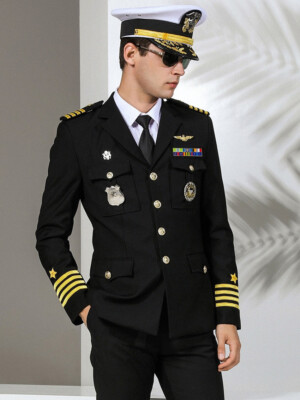
The origins of the pilot uniform can be traced back to the naval traditions of the early 20th century. As commercial aviation began to grow, airlines adopted uniforms modelled after naval officers to emphasise authority and reliability—dark blazers, hats, and insignia. Over time, the uniforms evolved to balance tradition with comfort and practicality. Today, while styles vary slightly between airlines, the essence of the pilot uniform remains rooted in professionalism and command.
Key Components of a Pilot Uniform
A typical pilot uniform includes:
• Shirt and tie—usually white, symbolising cleanliness and formality.
• Epaulettes with stripes—showing rank from first officer to captain.
• Blazer or jacket—dark navy or black, modelled after naval dress.
• Hat—Insignia of the airline, reinforcing authority.
• Wings pin and ID badge – the official identifier of the pilot’s position.
• Shoes – Polished black shoes complete the professional look.
Each element serves both practical and symbolic purposes, ensuring consistency and clarity in the aviation industry.
Protective functions of pilot uniforms
While appearance is important, pilot uniforms are also designed with safety and practicality in mind. Some airlines use materials that are flame-retardant for added protection. The standard look ensures that in the event of an emergency, crew members can be quickly identified by passengers and crew. The uniform provides long-distance comfort and allows freedom of movement during demanding shifts that often last several hours.
Recognition and professionalism
Uniforms play a significant role in passenger recognition. Just as passengers look to flight attendants for service, they look to pilots for leadership and reassurance. A crisp, professional uniform inspires confidence, signalling that the person in command is competent and trustworthy. In addition to passengers, the uniform sets standards of professional conduct within the airline, uniting crew members under a single brand and identity.
Symbols of Authority and Command
The most powerful aspect of a pilot’s uniform lies in its symbols of authority. Epaulettes and stripes indicate rank: one or two stripes for a junior officer, three for a first officer, and four for a captain. The hat and airline insignia further emphasise the role of command. These visual cues establish a clear chain of command, which is essential in aviation, where teamwork and hierarchy ensure safety.
Variations across airlines and countries
Although the basis of the pilot uniform is the same, styles vary across airlines and regions. U.S. carriers often stick to dark navy blazers and plain hats, reflecting tradition. European airlines sometimes incorporate more modern, tailored designs, while Asian carriers may emphasise elegance with lighter fabrics suitable for warmer weather. Low-cost airlines may adopt simpler, less formal uniforms, while luxury carriers often invest in premium, designer-made clothing.
The Psychological Impact of Pilot Uniforms
Uniforms affect not only passengers but also the pilots themselves. For passengers, seeing a pilot in uniform provides a sense of security and reassurance. For pilots, wearing a uniform reinforces a sense of pride, discipline, and responsibility. Like military uniforms, it becomes part of their professional identity, reminding them of the trust placed in their role.
Conclusion
The pilot uniform is much more than a dress code – it symbolises the core values of aviation: safety, recognition, and authority. From its historical roots in the naval tradition to its modern variations in airlines, uniforms reassure passengers, unite crew members, and command respect. In a profession where responsibility is high, the uniform stands as a clear reminder of confidence, discipline and professionalism at 30,000 feet.