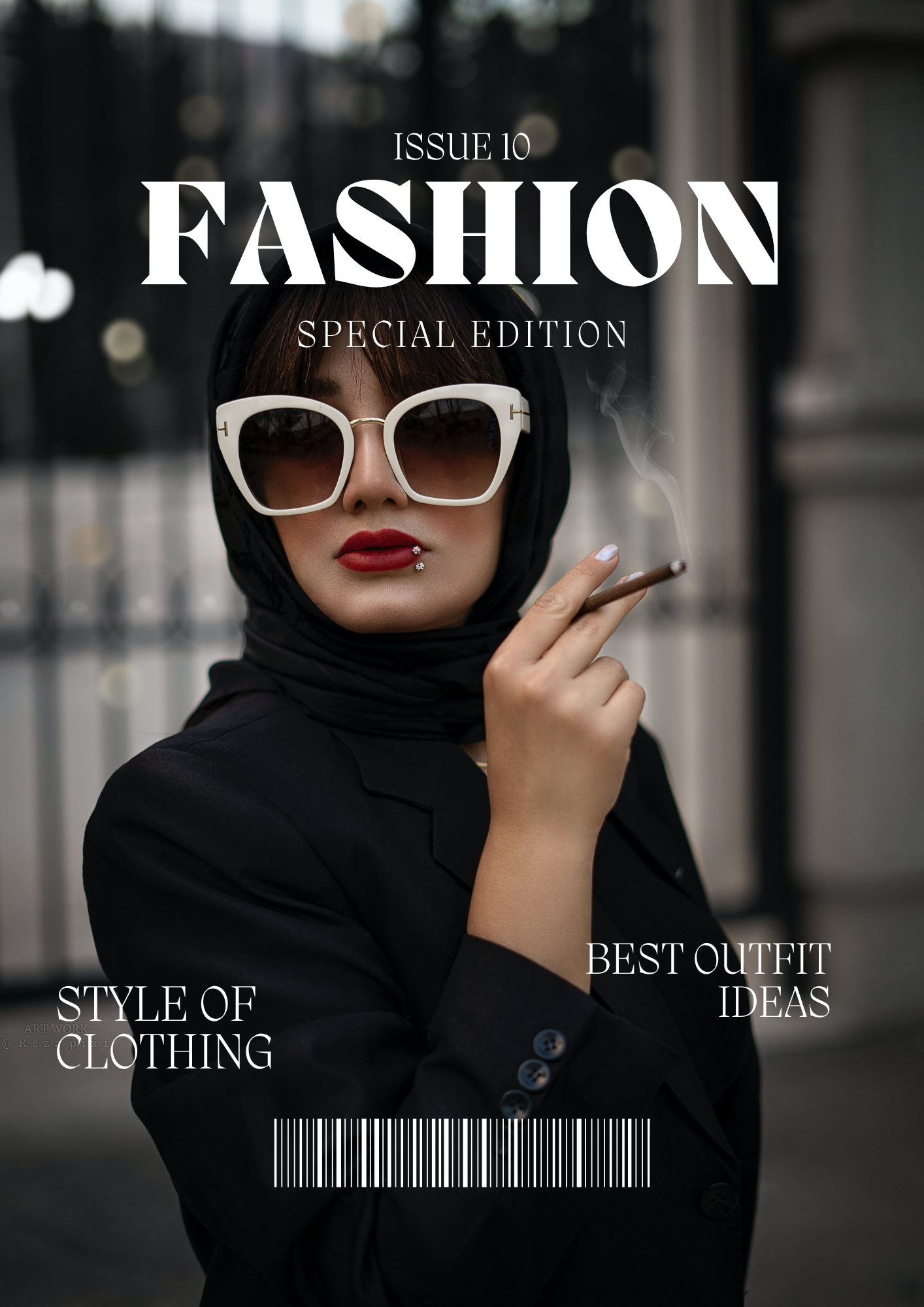
What are fashion trends?
Fashion trends are styles, colors, fabrics, patterns, and ways of dressing that become popular for a specific period, often influenced by culture, celebrities, designers, and social media.
They can reflect:
- Seasonal changes (e.g., summer florals, winter knits)
- Cultural movements (e.g., sustainability, gender-neutral fashion)
- Technological innovations (e.g., smart fabrics, 3D-printed clothing)
- Nostalgia cycles (e.g., Y2K or the ’90s revival)
Trends often start on the runway, in street style, or through influencers, and then spread to mainstream stores. They can last a few weeks (micro trends) or several years (macro trends).
Fashion in 2025: The Big Picture
Fashion in 2025 is defined by contrast and convergence, where technology meets tradition, and bold self-expression coexists with conscious minimalism. Rather than following a dominant trend, the industry is embracing pluralism: multiple style directions coexist, each driven by personal taste, cultural influences, and digital communities.
Key shaping themes for the year:
1. Sustainability as a standard, not a statement.
Eco-friendly fabrics like organic cotton, hemp blends, and recycled synthetics have moved from niche to mainstream.
Consumers now expect brands to be transparent about sourcing, production, and waste management.
“Buy less, buy better” is replacing fast fashion trends driven by continuity.
2. Tech-Integrated Fashion
Smart textiles with temperature control, wearable fitness tracking, and built-in charging capabilities are appearing in everyday clothing.
Augmented Reality (AR) efforts in online shopping are influencing which styles consumers commit to buying.
3. Cultural Fusion
Globalization and social media have blurred boundaries, leading to hybrid aesthetics: Parisian-inspired blazers paired with Japanese streetwear sneakers, or African wax prints with Scandinavian tailoring.
Traditional elements are being modernized — think Hanfu-inspired evening gowns or sari skirts in contemporary fabrics.
4. Silhouette Diversity
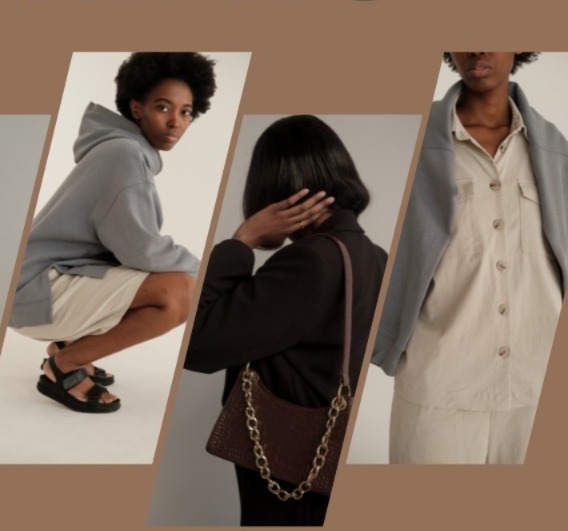
Oversized tailoring and wide-legged pants dominate, but slim and body-hugging shapes haven’t disappeared — they’re just styled differently.
There is an emphasis on balance, pairing big tops with sleek bottoms, or vice versa.
5. Emotional Dressing
Rather than chasing something “hot,” people are dressing for mood, occasion, and self-expression.
Color psychology plays a big role — muted blues for calm, energizing reds for confidence, earthy tones for grounding.
What’s in – The 2025 must-have trends.
2025 fashion trends are all about expressive yet wearable styles — pieces that look amazing but are versatile enough for everyday life. Trends are blending comfort, individuality, and sustainability, giving people more freedom to experiment without feeling tied to a rigid “look.”
1. Colors and Prints
• Rich earth tones: Shades like burnt sienna, earthy, olive green, and taupe dominate, offering warmth and a connection to nature.
• Metallic accents: Soft golds, brushed silvers, and chrome details are making outfits pop, especially in accessories and evening wear.
• Digitally inspired prints: Pixelated florals, messy art patterns, and holographic effects add a futuristic edge to everyday wear.
Soft gradient palettes: Ombre sweaters, dresses, and scarves that fade from one color to another are a major visual trend.
2. Silhouettes
• Wide-legged pants: Comfort meets elegance — often paired with cropped tops or tucked-in blouses.
• Oversized blazers: Boxy shoulders and long cuts, worn over everything from jeans to mini dresses.
• Asymmetrical dresses and skirts: High-rise hems, off-center slits, and draped cuts add movement and intrigue.
• Casual Coords: Matching sets in lounge-friendly fabrics that look chic enough for public wear.
3. Textures and Fabrics
• Vegan Leather: A softer, more breathable alternative to traditional leather, often in unconventional colors like sage or blush.
• Organic Denim: Light, unbleached denim with minimal chemical treatments for a raw, authentic feel.
• 3D Knitwear: Chunky, sculptural with exaggerated texture — statement sweaters are everywhere.
• Sheer Layering: Semi-sheer fabrics for layering, allowing for playful mix-and-match styles.
4. Accessories
• Chunky Loafers: Thick soles and bold buckles pair well with both tailored pants and casual skirts.
• Sculptural Handbags: Unusual shapes — circles, cylinders, and folded origami-style bags — act as conversation starters.
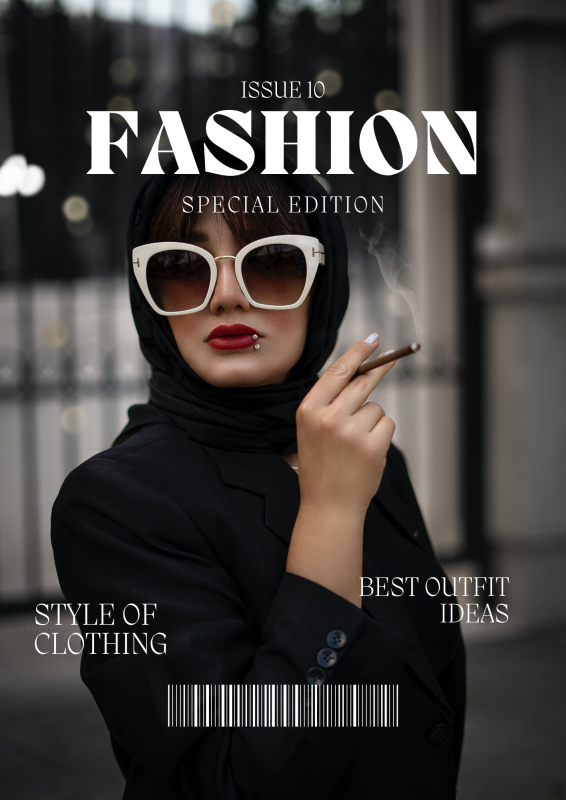
• Bold Eyewear: Oversized frames, tinted lenses, and geometric shapes that double as fashion statements.
• Stacked Jewelry: Layering multiple rings, bangles, and chains in mixed metals for a curated but not overly perfect look.
5. Style Trends
• High-Low Mixing: Pairing luxury designer items with affordable thrift finds creates a unique, non-cookie-cutter aesthetic.
• Layering Basics with Statements: A simple turtleneck under a bold corset top, or a plain white tee paired with a neon maxi skirt.
• Gender Fluid Styling: Pieces designed without the traditional wear/wear labels, worn by whoever likes the look.
• Monochrome Done Modern: Head-to-toe single-color outfits, but with varying textures to add depth.
What is it – the trends we’re saying goodbye to?
Fashion trends in 2025 are moving towards wearability, durability, and individuality, which means some of last year’s favorites are stepping out of the spotlight. Many are being replaced by new, more versatile alternatives that better align with current lifestyles and aesthetic preferences.
1. Ultra-low-rise jeans
• A once-revived Y2K staple, the ultra-low-rise jean had its moment in 2023-2024 but has now been replaced by mid- and high-rise silhouettes that offer more comfort and styling flexibility.
• Reasons for the decline: Limited body coverage, impracticality for layering, and increasingly high visibility on social media.
2. Microbags
• Those tiny handbags that can barely fit lip balm? Outside
• 2025 is all about functional statement bags — big, sculptural, and capable of holding real accessories.
• Reason for decline: Consumers want value and practicality, not just aesthetics.
3. Small sunglasses.
• Ultra-slim 90s and early 2000s frames are being swapped for larger, bolder eyewear that makes a statement and offers real sun protection.
• Reason for decline: Overuse and lack of versatility in influencer culture.
4. Extreme neon palettes
• Head-to-toe neon outfits are giving way to muted brights and rich color schemes (think cobalt blue, olive green, burnt orange).
• Reason for decline: Too intense for everyday wear and difficult to integrate into mixed wardrobes.
5. Overly Distressed Denim
• Jeans with excessively ripped and cut fabric are being replaced by cleaner, more refined denim.
• Reason for decline: The “destroyed” look feels outdated, and minimalism is taking its place.
6. Fast Fashion Micro Trend Overload
• Ultra-short-lived trends (e.g., one-off viral TikTok aesthetics) are losing their appeal as shoppers look for long-lasting, investment-worthy pieces.
• Reason for decline: Sustainability awareness and trend fatigue from constant business.
Influences driving these changes.
Fashion trends in 2025 don’t evolve in a vacuum – a mix of cultural shifts, tech innovations, and social behavior shapes it. The “in” and “out” trends we see are the result of several powerful forces working together:
1. Social media as a trend accelerator
• Platforms like Douyin/TikTok can turn a single garment or accessory into a global trend within 24 hours.
• Microtrends spread faster than ever, but this speed also shortens their lifecycle, allowing consumers to be more selective about what they wear.
2. The runway is taking on streetwear.
• The big fashion weeks (Paris, Milan, New York) still set the tone, but street style — what is worn off the runway — often has an equal or greater impact.
• This fusion creates a democratic style landscape where anyone can influence trends.
3. Sustainability and ethical awareness
• Growing concern about the environmental impact of fast fashion is making people more mindful of their purchases.
• There is a shift towards slow fashion, capsule wardrobes, and investment pieces.
4. The impact of technology on fashion choices
• AR try-ons and AI-powered style recommendations mean shoppers can virtually preview outfits, reducing the incentive to shop and return.
• Tech fabrics (like self-cleaning materials and adaptive climate control) are shaping the look people want to wear every day.
5. Global cultural exchange
• The fusion of cultural aesthetics — Japanese minimalism with African prints, Scandinavian tailoring with South American embroidery — is expanding creative possibilities.
• Online communities and influencers are the bridges to this cross-cultural inspiration.
How to transition your wardrobe for 2025
You don’t have to throw out your entire wardrobe to keep up with 2025 fashion trends — the key is to make strategic updates.
1. Start with an “out” list.
• Identify items in your closet that match fading trends (like extreme neon pieces or ultra-low-rise jeans).
• Decide whether to restyle them, reuse them, or donate them.
2. Invest in versatile statement pieces.
• Choose items from your “in” list that can work in multiple outfits: an oversized blazer, a sculptural handbag, or vegan leather pants.
• Neutral tones or muted brights offer more styling flexibility than overly specific trend colors.
3. Layer for longevity
• Extend the life of older items by pairing them with trend-forward accessories.
• Example: A simple outfit can feel ready for 2025 with chunky loafers and bold eyewear.
4. Mixing classic and modern
• Keep timeless staples (white shirts, tailored coats, denim) as your base, and add 1-2 seasonal pieces each quarter.
• This avoids over-committing to short-lived trends.
5. Try before you commit.
• Use AR fashion trends apps or style boards to see if a new trend is right for you before you buy.
• Borrow or save up for trendy items to try them out at a lower price.