

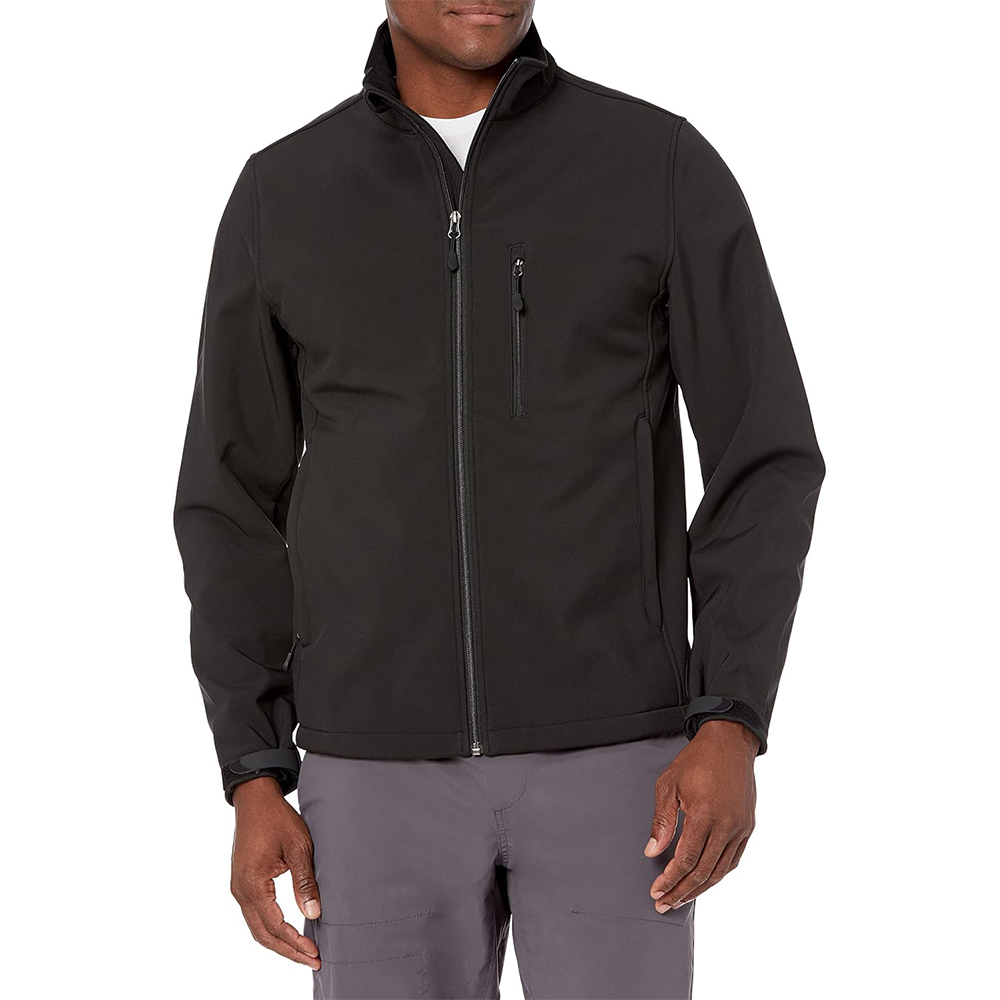
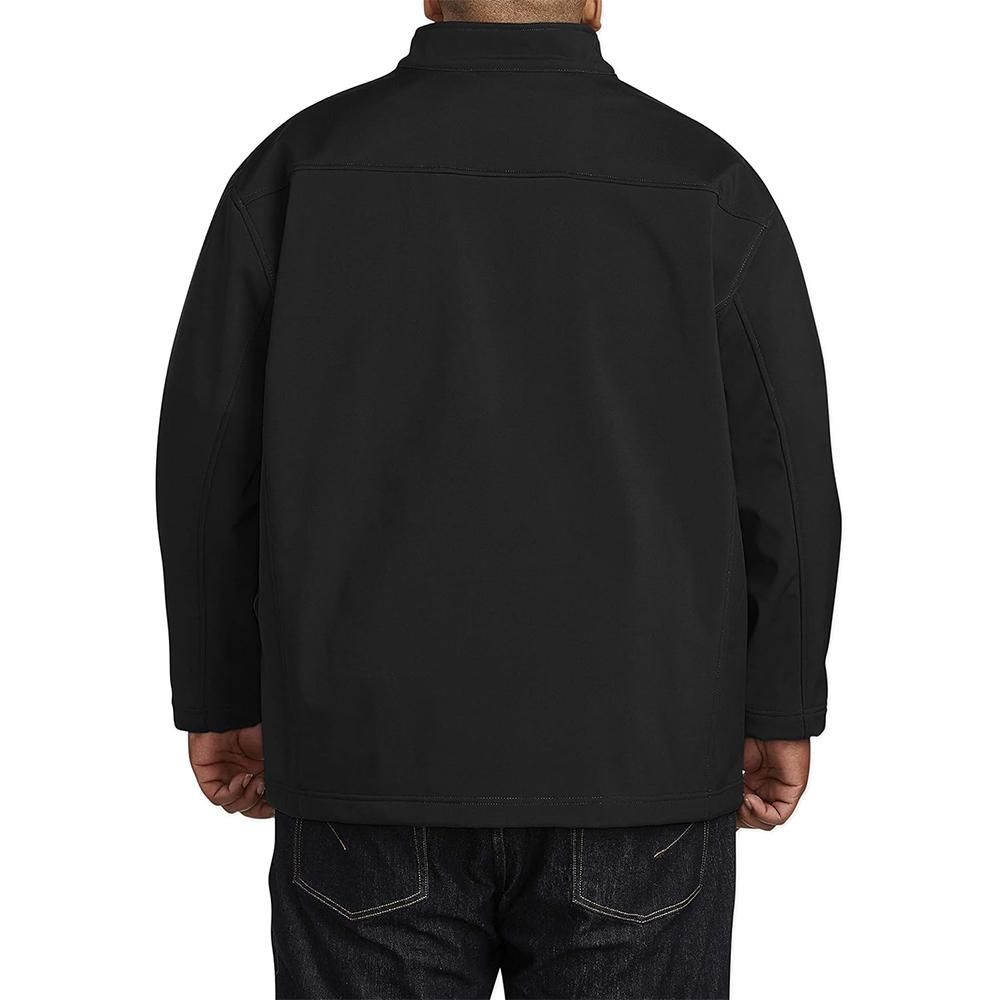


Material and fabric
The material and fabric of a soft shell jacket are important factors that significantly affect its performance, comfort and durability. When choosing a high-quality soft shell jacket, consider the following aspects of its fabric:
Breathability
Breathability is one of the most important features of a soft shell jacket. Your body produces heat and sweat when engaging in physical activity such as hiking, cycling, or climbing. A breathable fabric helps wick moisture away from your skin, preventing that uncomfortable sticky feeling and allowing for proper ventilation. Look for jackets made from fabrics incorporating moisture-wicking technologies or breathable membranes, as these will keep you comfortable during high-intensity activities.
Flexibility
Another essential feature of soft shell jackets is flexibility. Unlike stiffer materials, high-quality soft shell fabrics are designed to stretch, allowing greater freedom of movement. This is especially important for outdoor activities that require a full range of motion, such as climbing or running. Fabrics with an elastane or spandex blend provide the necessary stretch while maintaining the jacket’s shape, ensuring you can move freely without restriction.
Durability
Durability is key when choosing a soft shell jacket, especially if you plan to wear it in rugged environments. Look for high-denier nylon or polyester jackets, as these materials offer the best abrasion resistance. A durable fabric will withstand the wear and tear of outdoor activities, ensuring your investment will last for years. Additionally, consider jackets with reinforced stitching and added features like water-repellent coatings to increase their longevity against the elements.


Reviews
There are no reviews yet.