


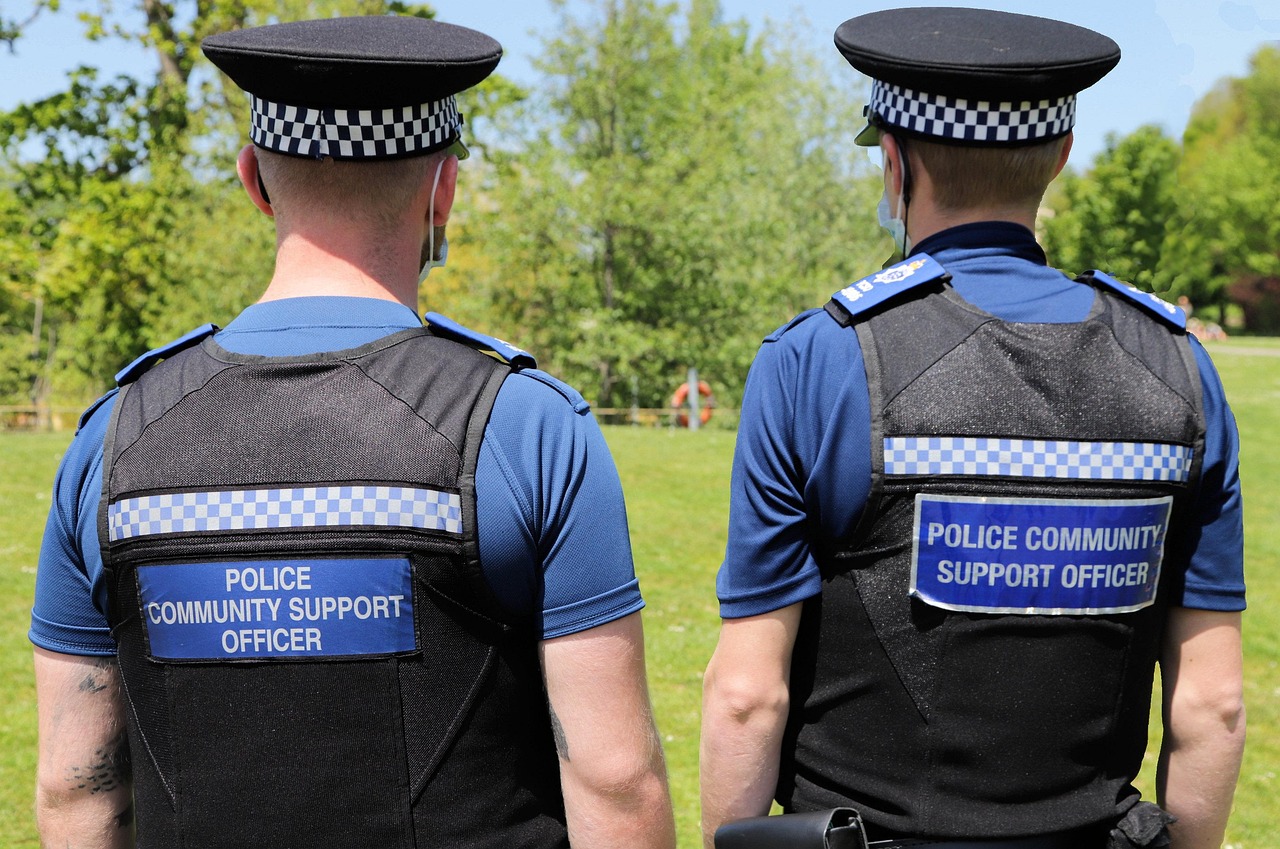
What is Police Officer Uniform?
A police officer’s uniform is the official attire worn by law enforcement officers to represent their authority, professionalism, and duty to serve and protect the public.
It is not just clothing, but a symbol of law, order, and trust — immediately identifying the wearer as responsible for upholding justice and ensuring public safety.
Key Features of a Police Officer Uniform:
1. Standardised Appearance:
Each police department has specific uniform standards — including colours, designs, and accessories — to ensure that all officers present a consistent, professional image.
2. Functionality:
The uniform is designed for comfort, mobility, and safety, made from durable fabrics that allow officers to perform a range of physical tasks in a variety of environments.
3. Authority and Identification:
Badges, insignia, and name tags are essential parts of a uniform. They make officers easily identifiable and promote accountability.
4. Protective Elements:
Modern uniforms include bulletproof vests, reflective gear, and tactical belts to provide protection and carry essential items such as radios, handcuffs, and weapons.
5. Symbolic Significance:
The police uniform represents honour, integrity, and discipline. It instils public trust and serves as a clear reminder of the law enforcement agency’s commitment to the community.
Introduction
A police officer’s uniform is more than just clothing – it is a symbol of authority, discipline, and service. From the moment an officer puts it on, the uniform represents their duty to protect, serve, and uphold the law.
Over time, police uniforms have evolved from simple military-inspired attire to modern, tactical, and comfortable designs that reflect the needs of modern policing. This article explores the history, key components, and deep significance behind the police uniform – one of the most recognisable symbols of public safety around the world.
History of the Police Officer Uniform
An Early Source
The first standard police uniform appeared in London in 1829, when Sir Robert Peel founded the London Metropolitan Police. Officers, known as “bobbies”, wore dark blue tailcoats and top hats to look professional but non-military – the aim was to inspire confidence rather than fear.
The blue was chosen because it contrasts with the red uniforms of the British Army, helping the police to stand out from the military while still conveying authority and respect.
The Cost of a Police Officer Uniform
Here are some figures and estimates of the cost of police officer uniforms, especially in Pakistan/South Asia, and wholesale figures. Prices vary greatly depending on the material, components (shirt, trousers, boots, badges, belts, etc.), and whether it is official issue or dress style.
Real-World Price Samples
| Item | Price & Details |
| “Police man uniform” (kids/cosplay) – cotton costume from KAKA Costumes, Pakistan | Rs. 2,499 (~ USD $7-10 depending on quality and exchange). kakacostumes.pk |
| Police Officer Uniform Cosplay Costume Set | Rs. 3,499 (discounted from Rs. 4,499) in Pakistan. High Street Pakistan |
| Punjab Police Uniform (for kids) from Shani Garments | ₨ 2,850 ‒ ₨ 2,950. shanigarments.com |
| Official issue full police uniform sets (shirt + trousers) in Sindh / Punjab reported cost | approx PKR 1,950 per set in 2019 (for olive-green uniforms) and older styles ~ PKR 2,500 per set. Blairs Sports |
| Wholesale “Police Uniform” from Corsa Textile, Pakistan | USD 22-26 per piece for large quantities. TradeWheel |
Estimates & Ranges
- Cosplay / costume uniforms: ~ PKR 2,500 ‒ 4,000+ depending on accessories, material quality.
- Official uniforms issued by government: somewhere around PKR 1,900-2,500 for basic shirt + trousers sets (older styles), but this may exclude shoes, belt, badges, etc. Blairs Sports
- Full high quality or tactical uniforms (with boots, belts, insignia) can cost significantly more, often several thousand PKR extra above the base set.
- Wholesale orders bring per-unit cost down but require minimum orders (for example, ~USD 22-26 in bulk from textile manufacturers). TradeWheel
Worldwide spread and adaptation.
As formal police forces were established in other countries, the concept of a uniform spread rapidly. In the United States, early police departments in New York and Boston adopted similar dark blue uniforms in the mid-1800s.
Different regions adapted the design to local conditions—for example:
• Tropical countries like India or the Philippines adopted khaki uniforms better suited to hot weather.
• European countries retained dark colours for a formal and commanding presence.
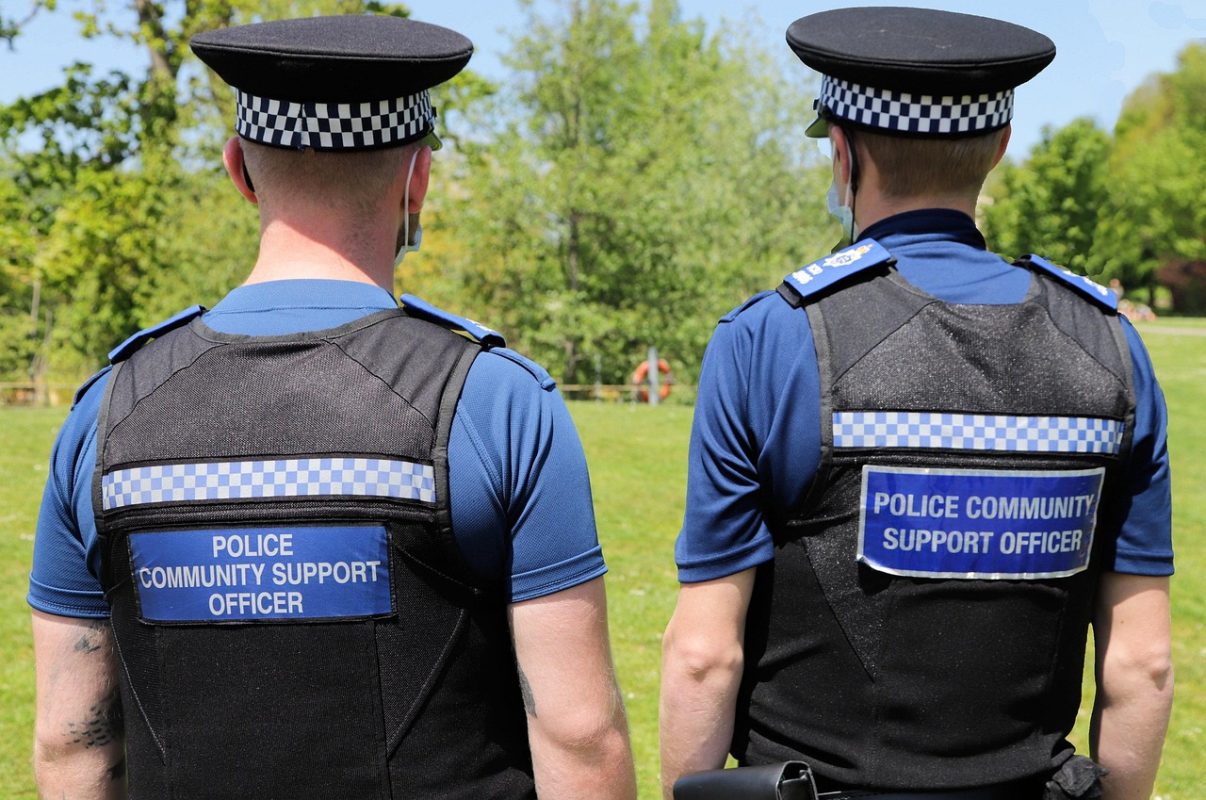
Uniforms include badges, caps, and belts to identify officers and increase public confidence clearly.
Modern evolution
In the 20th century, police uniforms evolved to focus more on functionality and safety.
Heavy wool was replaced by lighter, breathable, and water-repellent materials, allowing officers to move freely in a variety of weather conditions.
Today’s police uniforms are designed for performance, with features such as:
• Reflective materials for nighttime visibility.
• Body armour for protection.
• Tactical gear for carrying advanced equipment such as radios, tasers, and cameras.
Modern uniforms balance professional appearance with practicality, allowing officers to perform a variety of tasks effectively.
Components of a Police Officer Uniform
Each part of a police uniform serves a specific purpose — from appearance to protection.
a. Tip
Headgear varies by region and unit type:
• Hats or peaked caps are common for standard patrol.
• Specialised or tactical units may wear berets or helmets.
Most headgear has a badge or insignia, identifying rank or department.
In addition to function, hats are a symbol of authority and complete the formal look of the uniform.
b. Shirt / Jacket
The shirt is usually navy blue, black, grey, or light blue, depending on the department.
It usually includes:
• Nameplate and badge for identification.
• Pockets for pens, notebooks, or small tools.
• Department patches on the shoulders.
In cold climates, officers wear jackets or tactical outerwear that are weatherproof and feature reflective strips for nighttime safety.
c. Pants
Police pants are made of durable, stretchable, and easy-to-clean materials.
They match the shirt in colour, completing a unified look.
Tactical pants may have additional pockets for carrying gear or reinforced knees for field stability.
The design balances comfort, mobility, and professionalism.
d. Shoes
Police officers often spend long hours on their feet, so sturdy, supportive shoes are crucial.
Standard footwear includes:
• Black leather boots or tactical boots with slip-resistant soles.
• Reinforced toes for protection.
• Cushioned insoles for comfort during long shifts.
Shoes play an important role in both safety and presentation.
e. Duty belt
The duty belt is one of the most functional parts of a police officer’s uniform. It holds essential equipment, including:
• Handcuffs
• Radio
• Baton
• Firearm or Taser
• Pepper spray
• Flashlight
• Gloves or first aid pouch
The belt ensures that tools are easily accessible during emergencies, allowing officers to act quickly and effectively.
f. Badges and insignia
The badge is the heart of the police uniform — a symbol of authority, integrity, and service.
It typically displays the officer’s department, rank, and badge number, and is worn on the chest or cap.
Insignia can also indicate specialised units or years of service, reinforcing rank and pride.
g. Protective Gear
Modern policing often requires protective equipment that is integrated into uniforms.
It includes:
• Bulletproof or stab-resistant vests
• Body cameras
• Reflective vests for traffic duty
• Gloves, helmets, or shields for riot control
Protective gear indicates how modern uniforms prioritise officer safety and adaptability.
Colours and Their Meaning
Uniform colours are chosen carefully to communicate authority and evoke public trust.
Color Meaning / Use
Navy Blue: The most traditional colour; symbolises authority, stability, and trustworthiness.
Black Conveys strength, seriousness, and discipline.
Khaki / Tan Common in warm regions; represents practicality and neutrality.
Specialised units or rural departments use grey or Green for camouflage.
Reflective Stripes enhance safety and visibility, especially at night or in traffic zones.
The choice of colour plays a role in psychological perception, ensuring officers appear approachable yet authoritative.
Importance of Police Officer Uniforms
a. Symbol of Authority
A uniform immediately identifies someone as an officer of the law.
It commands respect, helps maintain order, and reinforces the officer’s legitimacy in the performance of duties.
b. Identification and Accountability
A uniform helps citizens easily recognise genuine officers, ensuring public safety and deterring impersonation.
Visible badges and name tags promote transparency and accountability.
c. Unity and Professionalism
A standard uniform fosters a sense of belonging within the spirit and force of a team.
It promotes discipline, equality, and professionalism, regardless of rank or background.
d. Psychological Impact
• To the public: Uniforms provide reassurance and create a sense of security.
• On officers: Wearing them increases confidence, professionalism, and a sense of duty.
The psychological impact of a uniform plays a significant role in how both parties interact.
e. Cultural and ceremonial value
Police uniforms are also worn during parades, memorials, and official ceremonies, representing pride and heritage.
Decorations, medals, and ceremonial attire honour the tradition and heroism of law enforcement agencies.
Modern Trends in Police Uniform Design
The 21st century has brought major innovations in uniform design:
• Smart fabrics that control temperature and wick moisture.
• Lightweight armour integration for comfort and safety.
• Body cameras built seamlessly into uniforms.
Unisex and suitable for inclusivity and mobility.
• Environmentally sustainable materials used by progressive departments.
Some agencies also use community-friendly designs, allowing officers to appear more approachable while maintaining authority.
Conclusion
The police officer uniform has come a long way – from the traditional blue wool coat to modern tactical clothing equipped with technology and protection.
Yet, despite these changes, its core meaning remains the same: the uniform represents authority, integrity, discipline, and public service.
For officers, it is a badge of honour.
For the public, it is a symbol of safety and trust.
And for society, it stands as a reminder of the important role of law enforcement in maintaining peace and justice.