


What is NYPD Uniform?
Key Elements of the NYPD Uniform
• Shirt and Pants: Dark blue, durable, and suitable for movement.
• Badges and Insignia: The NYPD shield is worn on the chest, with rank and precise patches on the shoulders.
• Utility Belt: Carries essential equipment such as firearms, handcuffs, radios, batons, and flashlights.
• Boots: Black tactical boots designed for long hours and protection.
• Headgear: Traditional police hat, knitted cap in winter, or helmet for tactical units.
Uniform Variations
• Patrol Uniform: The standard navy-blue duty uniform seen on the streets of New York every day.
• Dress Blues: Formal uniform for parades, funerals, and special events.
• Detective: Plain clothing (suits or casual wear) with the NYPD shield visible.
• Special Units: Tactical uniform with body armor, helmet, and specialized gear.
Purpose of the NYPD Uniform
• Professional Image: Project authority, discipline, and confidence.
• Public Recognition: Make officers easily recognizable.
• Practicality: Designed for comfort and safety in demanding situations.
• Tradition and Symbolism: Reflect the department’s long history and values.
The New York Police Department (NYPD) is the largest municipal police force in the United States and one of the most recognizable agencies in the world. Along with its reputation for law enforcement, the NYPD uniform has become a global symbol of authority, professionalism, and public safety. Over the years, the uniform has evolved from the traditional garb of the 19th century to a modern design that reflects both functionality and style. Today’s NYPD uniform balances tradition with practicality, making it suitable for the demands of contemporary policing.
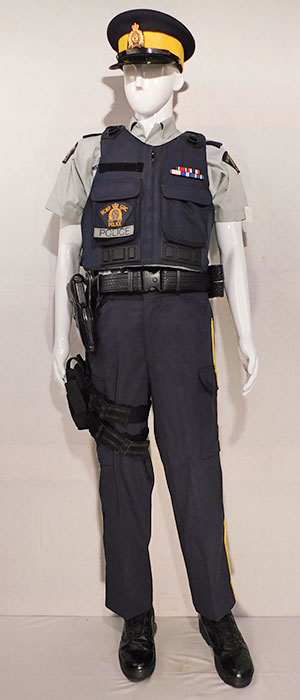
Overview of the Modern NYPD Uniform
The standard patrol officer uniform is the most familiar look associated with the NYPD: a dark navy-blue shirt and trousers, complemented by a utility belt and official patch. However, the NYPD uniform is not “one size fits all.” Different divisions wear variations of the uniform based on their duties:
Patrol Division: Standard navy-blue duty uniform.
• Detectives: Plain clothes with a badge and identification visible.
• Ceremonial units: Wear the blues for parades, funerals, and ceremonial events.
• Special units: Tactical gear designed for counterterrorism, emergency response, and other special missions.
This layered style ensures that the uniform is practical for day-to-day policing and adaptable to specific situations.
Sample Prices for Individual NYPD Uniform Items
| Item | Approx Price (USD) | Source / Notes |
| Men’s Poly/Cotton NYPD Short-Sleeve Shirt | US$35.95-41.95 The Uniform Hub | |
| Women’s Dress Uniform Shirt (Poly/Wool) | US$77.95-85.95 The Uniform Hub | |
| NYPD Jacket | US$175.00 schlesingeruniforms.com | |
| NYPD Winter Jacket | From US$69.99 uniformswarehouse.com | |
| NYPD Raid Jacket | US$56.00-84.00 Uniform Tactical Supply | |
| Duty Shirt (Men’s Long-Sleeve, Class A) | About US$34.35 davesuniforms.com |
💰 Typical Cost for Full Uniform / Academy Gear
- From Reddit discussions, cadets / academy recruits often mention paying about $1,000-$1,200 for the required uniform package initially. Reddit+1
- Total costs including gear, boots, class A uniform, badge needed, etc., can run up toward US$1,500-$2,000 or more depending on whether you buy higher-end gear. Reddit+1
Key Features of the NYPD Uniform
• Shirt and Pants
Officers wear a dark blue navy shirt (short-sleeved or long-sleeved, depending on the season) paired with matching pants. The choice of navy blue, adopted in the 20th century, conveys authority while being practical for concealment and durability.
• Badges and Insignia
The famous NYPD shield appears on the left chest, while shoulder patches represent the officer’s area or division. Rank insignia appear on collars or epaulets, helping to identify supervisors and higher-ranking officers.
• Utility Belt
Perhaps the most functional part of the uniform, the duty belt holds essential tools such as firearms, handcuffs, batons, radios, pepper spray, flashlights, and body cameras. It is designed for quick access while keeping the officer’s hands free.
• Footwear
Officers typically wear black tactical boots. They are chosen for their durability, slip resistance, and support during long shifts and foot pursuits.
• Headwear
The traditional police hat remains part of the uniform, although officers may also wear more practical headgear such as knit caps in winter or tactical helmets in specialized units.
Specialized Uniform Variations
• Detectives
Detectives do not wear standard uniforms but instead dress in casual attire (suits or casual business attire). However, they carry their NYPD shield, which must be displayed when identifying themselves as law enforcement.
• Formal uniform
Known as “dress blues,” this is worn for parades, funerals, and official functions. This attire includes a double-breasted navy coat, white gloves, a peaked cap, and polished shoes. It reflects the tradition of the department and honors fallen officers.
• Special Units
Tactical divisions such as the Emergency Service Unit (ESU), Counter-Terrorism Bureau, and Harbor Patrol wear uniforms specific to their mission. These often include body armor, helmets, tactical vests, and sometimes camouflage or waterproof gear, depending on the environment.
Modern Style and Practical Adjustments
- Color Shift: Going from light blue to dark navy enhances authority and professionalism while hiding stains and wear.
- Modern Fabrics: Modern uniforms use moisture-wicking, breathable, and weather-resistant materials to keep officers comfortable in all conditions.
- Improved Comfort: A snug fit, stretch fabrics, and weather-resistant modifications (short sleeves, jackets) improve mobility and reduce fatigue.
- Safety Integration: Reflective patches and built-in compatibility with body armor ensure officers remain visible and safe.
Symbolism and Professionalism
The NYPD uniform is more than just clothing – it is a symbol of authority and public trust. The shield and patches convey legitimacy, while the uniform as a whole reassures citizens of the presence of law enforcement. Rank insignia and division patches emphasize hierarchy, discipline, and pride in the organization. Wearing a uniform also promotes professionalism in officers, reminding them of the responsibility that comes with their role.
Comparison with Historical NYPD Uniforms
In the mid-19th century, NYPD officers wore uniforms inspired by military dress: light blue coats, brass buttons, and helmets that resembled those of soldiers. Over time, practicality replaced formality. The dark navy color was adopted for concealment and durability, while utility belts and tactical gear reflected the modern needs of policing. Today’s uniform is less ornate but much more functional, representing a shift from formal appearance to everyday practicality.
Conclusion
The modern NYPD uniform strikes a careful balance between tradition and innovation. It maintains the department’s recognizable style while incorporating comfort, durability, and safety for officers working in a complex urban environment. From the iconic navy-blue patrol uniform to specialized tactical gear, the NYPD uniform is constantly evolving – reflecting the changing demands of policing while maintaining the professionalism and authority that the badge represents.