


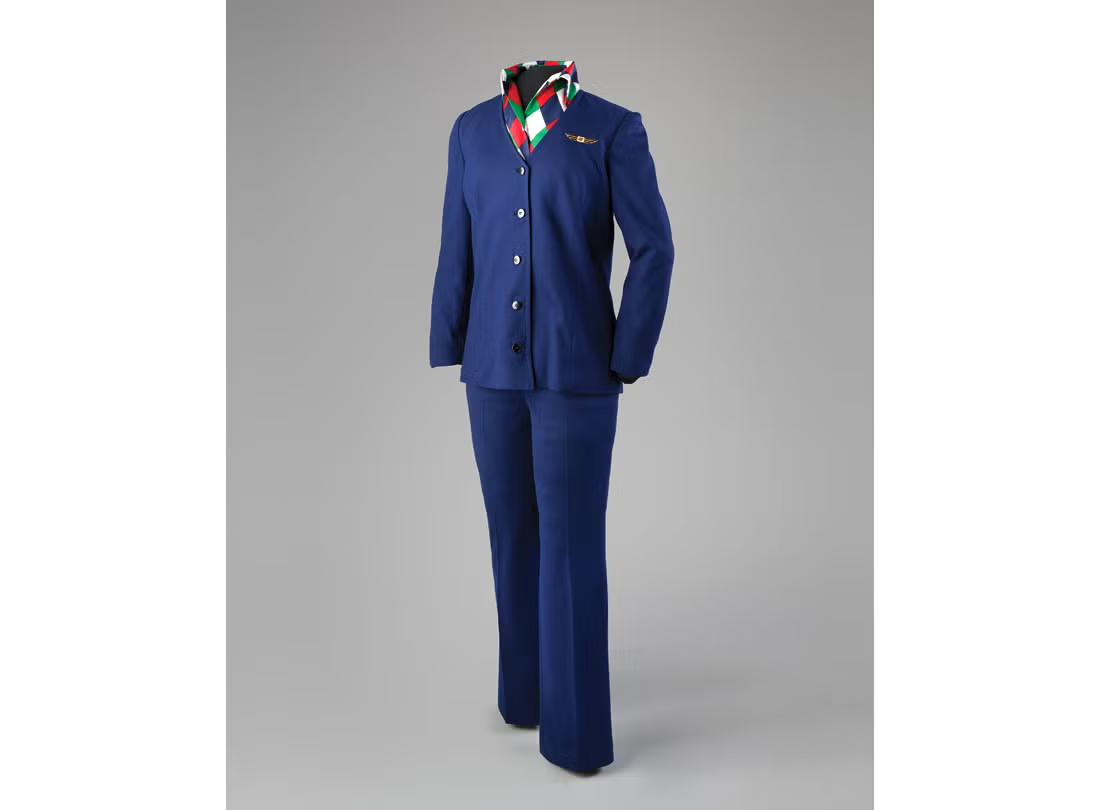
What is United Uniform?
A united uniform is a standard clothing worn by members of a group, team, or organization to represent unity, equality, and a shared identity. It is a symbol of belonging to a common goal or purpose – whether it be in a school, company, sports team, or service organization.
Meaning of Uniform
The term “uniform” refers to clothing that visually conveys unity and togetherness.
When everyone wears the same uniform, it removes individual differences and creates a sense of unity and equality.
It communicates that all members, regardless of their background, share the same mission and values.
Purpose of Uniform
1. Promotes team spirit – Encourages cooperation and solidarity.
2. Represents identity – Reflects the group’s image, culture, or brand.
3. Creates equality – Eliminates differences based on status or appearance.
4. Creates discipline – encourages responsibility and professionalism.
5. Enhances identity – makes it easier to identify members of an organisation.
Examples of unified uniforms.
- Schools: Students wear uniforms to promote equality and belonging.
- Corporate teams: Employees wear branded uniforms to show professionalism and unity.
- Sports teams: Players wear the same jersey to symbolise teamwork.
- Military or police: Uniforms symbolise authority, loyalty, and discipline.
Introduction
Uniforms have always been a symbol of unity, discipline, and belonging. Whether in a school, sports team, corporation, or a government agency, wearing the same clothing connects individuals with a common identity.
A “unified uniform” refers to a cohesive organisation that represents unity and equality among group members. It is more than just clothing – it is a visual expression of teamwork, pride, and a common purpose.
This article explores how unified uniforms enhance team spirit, strengthen identity, and foster collective motivation in a variety of environments.
Sample Prices from “United Uniform” & Related Uniform Items
| Product / Supplier | Example Price | Details / Notes |
| United Uniform Men’s Short-Sleeve Uniform Shirt (Royal or White) | US $21.25 (sizes M-XL); US $24.50 for 2XL-3XL; higher for 4XL-5XL. four51.com+2transadvantage.geigershops.com+2 | |
| United Uniform Long-Sleeve Shirts | ~ US $23-$27 depending on color/size. transadvantage.geigershops.com+1 | |
| United Uniform Polos (short sleeves) | ~ US $17.50-$21.50+ depending on size/color. transadvantage.geigershops.com+2nafeco.com+2 | |
| Tactical Pants from “United Uniform” line | ~ US $74-$146 depending on style (ProFlex, rip-stretch, etc.). nafeco.com | |
| United Uniform “CoolMax Performance” Polo or Class A shirt | US $40-$77 depending on model. nafeco.com |
Related Uniform Cost Ranges (Other Brands/Suppliers)
To compare, here are prices of uniform sets / custom uniforms from other suppliers:
- Custom soccer or football uniform set: USD $14.50 / piece (Pakistan, MOQ ~50) B2BMAP
- Baseball uniform set (customizable, team set): USD 55 per piece (MOQ ~20) B2BMAP
- Basic soccer uniforms (wholesale) in Pakistan: USD 9-12 per set depending on order size and material. made-in-pakistan.com.pk+1
✅ Summary Estimate
If you are buying a United Uniform item (shirt or polo), expect to pay somewhere between US $20 and US $80+, depending on:
- size (XL, 2XL, etc.)
- sleeve type (short vs long)
- material (CoolMax, moisture-wicking, etc.)
- whether it’s tactical or basic uniform use
If you want a full set (shirt + pants + maybe a jacket or accessories), the cost will naturally be higher — possibly US $70-150+ for high-quality gear.
The concept of unity through uniforms
a. Meaning of “unified uniform”
A uniform is designed to make everyone feel part of a single unit. It eliminates visible differences between individuals and focuses on the collective identity of the team or organization.
When people wear the same clothes, it signals that they share common goals and values – that they are united in purpose. Uniforms become a daily reminder of teamwork and mutual respect.
b. Historical context
The idea of a unified dress code is centuries old.
Military forces were among the first to adopt uniforms to maintain discipline and unity.
• Schools later introduced uniforms to promote equality and focus among students.
• Over time, corporations and sports teams adopted the practice to represent professionalism, confidence, and group identity.
Today, uniforms are seen everywhere — from hospitals to airlines, from restaurants to security services — symbolizing organization, consistency, and reliability.
How a united uniform fosters team spirit
a. Creates a sense of belonging.
One of the strongest effects of a unified uniform is that it creates a sense of belonging.
When everyone dresses the same, people begin to see themselves as part of something bigger. It creates emotional connections and loyalty.
For example, a student in a school uniform feels part of the school community. An employee in a branded shirt feels connected to the company’s success. It shared visual identity breaks down divisions and promotes teamwork.
b. Promotes equality and fairness.
Uniforms create an environment where everyone is on an equal footing.
There is no competition over fashion, style, or financial status — everyone dresses the same, reflecting unity and simplicity.
This uniformity reduces social barriers and helps people focus on performance, contribution, and values rather than appearance. It encourages people to respect each other for their work, not their wardrobe.
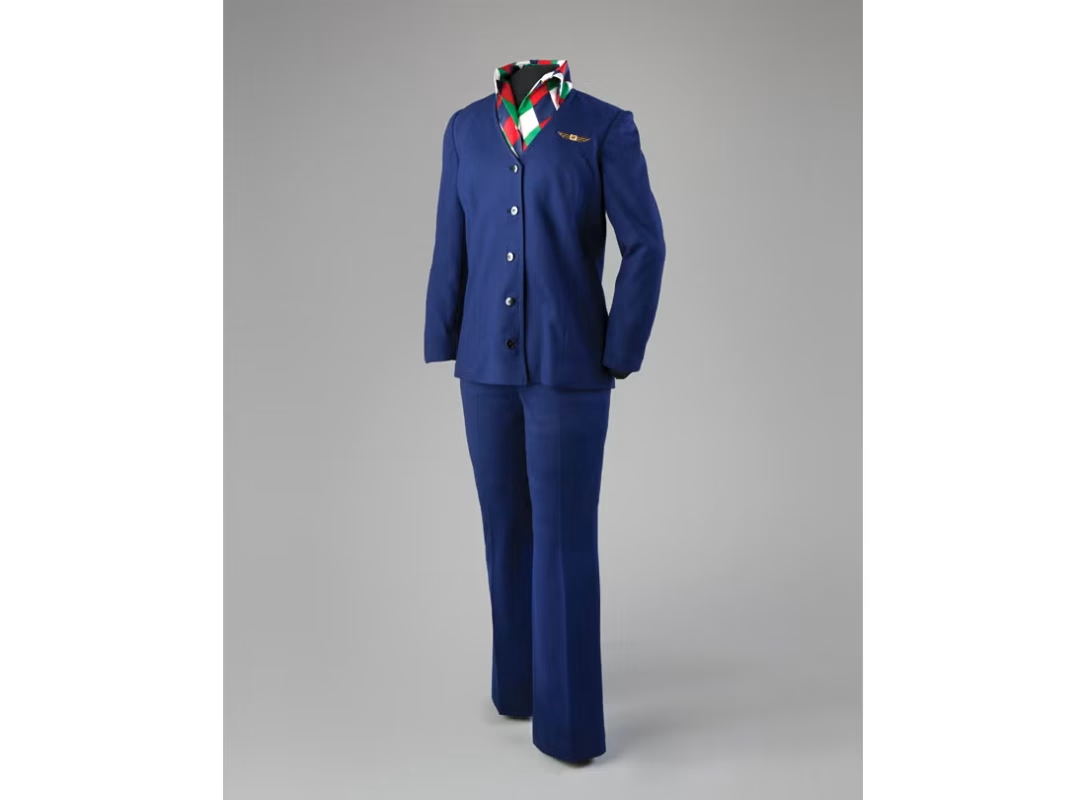
c. Increases team collaboration.
When individuals wear the same uniform, it reminds them that they are part of a team working toward common goals.
Uniformity in appearance encourages unity of purpose. It reduces competition between individuals and strengthens cooperation.
For example, in a corporate environment, employees who wear the same brand of uniform are more likely to collaborate and communicate effectively, because the clothing subtly reminds them that they represent the same organization.
d. Instils pride and motivation.
A well-designed uniform can instil pride and confidence in the wearer.
It creates a sense of honour — of representing something greater than themselves.
When people wear their uniforms, they often carry themselves with greater responsibility and enthusiasm.
This pride translates into better performance, improved morale, and a stronger connection to the organization’s goals. The uniform becomes a badge of identity and motivation.
Unified Uniforms and Team Identity
a. Establishes a recognizable image.
A unified uniform helps create a clear, professional, and recognizable image.
It becomes part of the group’s visual identity, allowing others to identify them instantly.
For example:
• Police officers in uniform represent authority and safety.
• Sports teams use colours and logos that fans immediately associate with their identity.
• Corporate staff uniforms reflect professionalism and brand trustworthiness.
This visual consistency builds trust and reinforces a sense of belonging among team members.
b. Strengthens the brand or organizational identity.
In companies, uniforms are an extension of the brand.
It communicates the company’s values, professionalism, and unity to customers.
When employees wear uniforms with the company logo or colours, they become brand ambassadors—they represent the organization’s image wherever they go.
Uniforms thus create brand loyalty internally and externally, uniting employees and customers under a single identity.
c. Encourage accountability.
Wearing a uniform also creates personal responsibility.
Since uniforms make individuals easily recognizable, they encourage everyone to uphold the standards and values of their organization.
For example, a customer interacting with a uniformed employee expects certain behaviours—courtesy, professionalism, and trustworthiness.
This visibility encourages team members to act responsibly, promoting discipline and accountability within the group.
The Psychological Effect of Unified Uniforms
a. On Team Members
They have a powerful psychological effect on those who wear uniforms.
They increase self-esteem, unity, and collective trust.
When individuals wear unified uniforms, they often:
• Feel more connected to their peers.
• Experience less social pressure or competition.
• Show better focus, cooperation, and discipline.
The uniform becomes a psychological cue that reinforces teamwork and shared responsibility.
b. To the public or customers
To outsiders, a uniform represents trust, reliability, and professionalism.
Customers or clients can easily identify staff members to build trust in the organization, helping to build trust.
For example:
• A clean, consistent uniform in a hospital promotes feelings of security and care.
• An airline uniform symbolizes elegance and reliability of service.
• A security uniform signals safety and order.
In this way, a unified uniform not only benefits the team internally but also creates positive impressions externally.
Examples of unified uniforms that promote team spirit.
Sports teams.
Sports uniforms are powerful symbols of identity.
Players wearing the same colours and logos are motivated to perform for their team and fans. It unites not only the players but the entire community of supporters.
Corporate teams
Employees in branded uniforms embody the values of the company.
Whether in a hotel, restaurant, or airline, uniforms convey professionalism and confidence, fostering unity among staff.
Schools
School uniforms promote equality among students.
They reduce peer pressure related to fashion and encourage a focus on education and teamwork.
Military and Police
In defence and law enforcement agencies, uniforms represent respect, discipline, and unity. They remind officers of their duty to protect and serve.
Balance uniformity with individuality
While uniforms are a symbol of unity, they should not erase individuality.
Many organizations now allow small personal touches—such as name tags, pins, or custom-made fits—that maintain uniformity while allowing for self-expression.
This balance helps members feel valued as individuals within the team, fostering both identity and belonging. A unified uniform should celebrate diversity while maintaining collective cohesion.
Conclusion
A unified uniform does more than make a group look the same – it creates team spirit, equality, identity, and pride.
It connects individuals emotionally, visually, and socially under a common purpose.
From schools to corporations, from sports teams to the military, the unified uniform has become a timeless symbol of discipline, teamwork, and belonging.
In essence, when people wear the same uniform, they share the same mission — to work together, succeed together, and be united.