


What Is a Fashion House?
A fashion house (also known as a couture house or maison de couture in French) is a company or brand that designs, creates, and sells high-end clothing, accessories, and sometimes fragrances.
These are not just regular clothing brands – a fashion house represents a legacy of creativity, craftsmanship, and artistic vision. Each has its own unique style, story, and signature look that sets it apart in the fashion world.
Key characteristics of a fashion house
1. Creative leadership:
Each fashion house is led by a creative director or head designer who sets the artistic direction for the brand.
Example: Chanel was shaped by the minimalist elegance of Coco Chanel. Dior by Christian Dior’s romantic silhouettes.
2. Distinctive brand identity:
A fashion house has a signature aesthetic—whether it’s bold, classic, avant-garde, or romantic—that reflects its values and history.
Example: Gucci is known for its eclectic luxury; Prada for its modern sophistication.
3. Atelier or Workshop:
Most fashion houses maintain their own atelier (a workshop or studio) where skilled craftsmen create custom-made garments, especially haute couture pieces.
4. Seasonal Collections:
They produce seasonal collections (spring/summer and fall/winter) that debut at Fashion Week in Paris, Milan, London, or New York. These shows set global trends for the year.
5. Luxury and Craftsmanship:
Fashion houses are synonymous with quality, exclusivity, and artistry. Their pieces often use premium materials and are handcrafted with exceptional attention to detail.
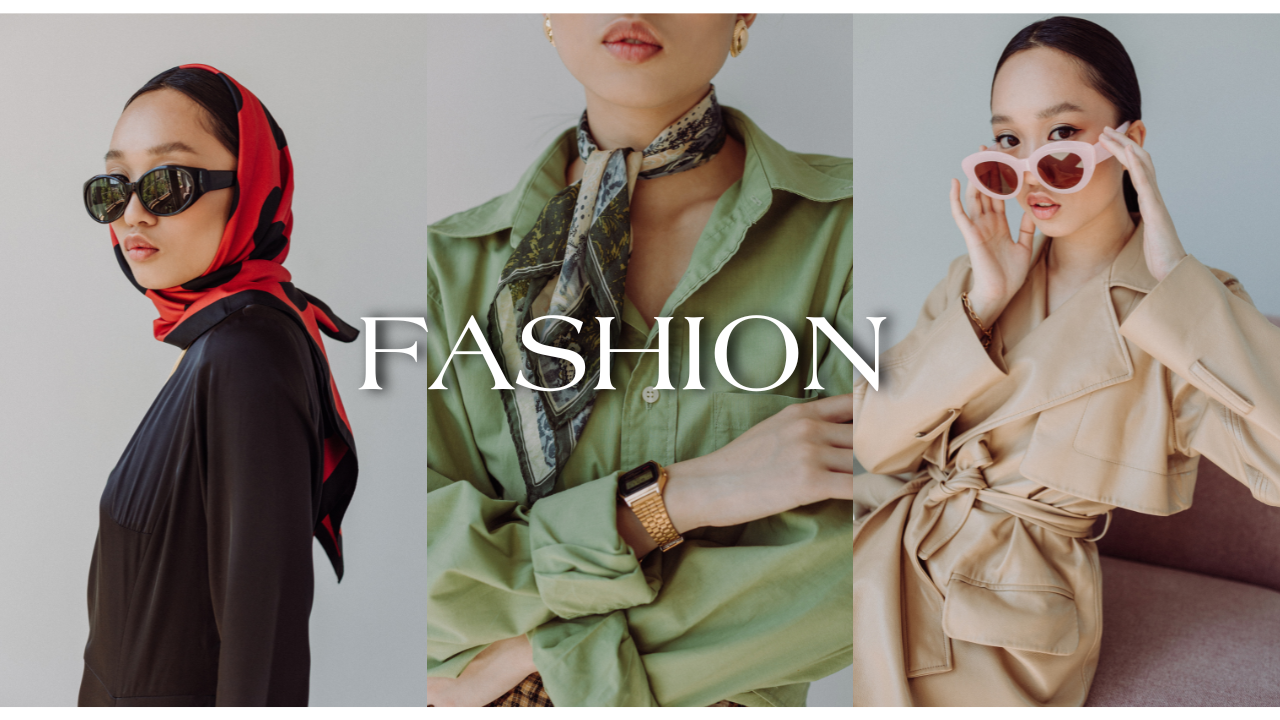
Famous Examples of Fashion Houses.
• Chanel (France) – Known for timeless elegance and the iconic Chanel suit.
• Dior (France) – Known for the “new look” and romantic femininity.
Louis Vuitton (France) – A leader in luxury leather goods and fashion innovation.
• Gucci (Italy) – Recognised for its bold, contemporary take on luxury.
Versace (Italy) – Celebrated for glamour, colour, and powerful design.
• Balenciaga (Spain/France) – Known for architectural silhouettes and modern minimalism.
Fashion has always been more than fabric and thread – it is the art of telling a story through style. Every season, the world’s leading fashion houses captivate audiences with captivating collections that seemingly embody elegance, beauty, and innovation. But behind the bright lights of the runway lies a world of creativity, discipline, and craftsmanship that few see.
It is the story of how designers create iconic collections that shape a fashion house’s identity.
Spark of Inspiration
Every masterpiece begins with an idea — a spark of emotion, memory, or vision that ignites the designer’s imagination. For most fashion houses, inspiration can come from anywhere: the colours of a Moroccan sunset, the architecture of Paris, or even a poem that captures a momentary feeling.
Designers immerse themselves in research and exploration to create mood boards, collecting images, sketches, and textures. This visual collage becomes the basis for the collection’s story.
For example, Coco Chanel found endless inspiration in her personal experiences — from her love of simplicity to the beauty of men’s tailoring. Christian Dior, on the other hand, expressed his fascination with gardens and nature, which is why floral motifs often bloom in his collections.
These initial sparks are where artistic instinct meets — the beginning of every iconic design.
The Creative Process
Once inspiration takes shape, the real work begins. Designers translate their ideas into sketches, experimenting with silhouettes, proportions, and details that express their vision.
At a fashion house, the process is deeply collaborative. The creative director leads a team of designers, patternmakers, fabric experts, and artisans, each contributing their own expertise. Together, they refine the concept until it harmoniously balances creativity with skill—ensuring that each piece fits into the overall story of the collection.
Colour palettes are chosen with precision, fabrics are tested for texture and movement, and each stitch is planned to enhance the emotional impact of the garment. The fashion house doesn’t just follow trends—it creates them.
Craft and Material Selection
The magic of a fashion house lies in its craftsmanship. Choosing the right materials is one of the most important steps in design. Luxury houses source fabrics from the world’s finest mills, seeking textures that perfectly align with the designer’s vision.
Sustainability has also become an integral part of the process. Many modern designers now prioritise eco-friendly textiles and ethical production, blending luxury with responsibility.
Inside the ateliers — the beating heart of a fashion house — highly skilled artisans bring sketches to life. Every cut, pleat, and stitch is meticulously crafted. For example, Hermès is renowned for its leather craftsmen who spend years perfecting their techniques. Valentino’s haute couture gowns can require hundreds of hours of hand embroidery to complete.
This dedication to detail is what turns a garment into a work of art.
The evolution of a collection
From sketch to sample, each design goes through multiple stages of refinement. Clothes can be altered, details can be adjusted, and patterns can be recreated countless times. Designers hold fitting sessions with models to ensure that each piece moves beautifully and fits flawlessly.
At this point, fashion becomes both an art and a business. While creativity drives the process, designers must also consider wearability, production costs, and brand recognition. A collection must impress critics while also appealing to consumers.
As fashion weeks approach, the pressure builds. The creative director makes the final decisions—who makes the runway, how they will be styled, and what story they will tell.
Runway Reveal
The runway show is where months of imagination finally come to life. Every detail—from the music to the lighting to the choreography—is carefully crafted to create a sensory experience.
When models step onto the catwalk, they’re not just showing off clothes. They’re telling a story. A collection can celebrate empowerment, nostalgia, or rebirth. The presentation becomes a form of performance art, designed to evoke emotion and spark conversation.
Media coverage, influencers, and fashion editors amplify the moment, shaping how the world perceives the collection. A strong runway debut can reshape a brand’s image overnight.
Beyond the runway
The journey continues after the applause. The most memorable designs are often translated into ready-to-wear pieces or accessories that reach a wider audience. Marketing campaigns, celebrity endorsements, and digital storytelling help keep the collection alive long after fashion week is over.
Collaborations with artists or luxury brands further amplify the collection’s influence, allowing the fashion house to connect with new generations. The combination of craftsmanship and strategy ensures that a collection can influence global trends for years to come.
The secret ingredient: Timeless vision
What makes a collection truly iconic? It’s not just the design – it’s the emotion behind it. The most enduring fashion houses succeed because their work reflects a clear vision, a deep respect for heritage, and a desire to evolve.
From Gucci’s reinvention of the brand to Dior’s delicate balance of tradition and modernity, the secret lies in creating designs that challenge convention while speaking to the heart.
The fashion house doesn’t just make clothes – it creates cultural moments that define generations.
Conclusion
Behind every glamorous runway show lies a world of hard work, imagination, and passion. The process of creating an iconic collection involves more than fabric and design – it’s a symphony of vision, craftsmanship, and storytelling.
In the end, the real secret of a fashion house is its ability to turn dreams into reality — weaving emotion, art, and innovation into every thread.