


What is a Cub Scout uniform?
The Cub Scouts program, part of the Boy Scouts of America (BSA), was officially introduced in the United States in 1930 to introduce young boys to Scouting before they become Boy Scouts. Uniforms have played a central role in the Scouting movement since the beginning. They are not just clothing – they represent identity, unity, and tradition. Exploring the history and evolution of the Cub Scout uniform helps us understand how it has adapted over time while maintaining its symbolic values.
Key Parts of the Cub Scout Uniform
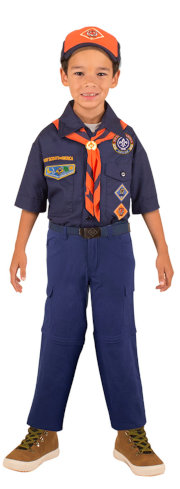
- Shirt: Navy blue button-down or activity shirt, designed for comfort and durability.
- Pants/Shorts: Navy blue pants, shorts, or convertible trousers.
- Cap: Baseball-style cap with rank-specific designs.
- Neck and Slide: Yellow (or rank-specific) neck is worn with a slide, a long-standing Scouting tradition.
- Belt: Navy web belt with Cub Scout buckle, used to display adventure belt loops.
- Badges and Insignia: Rank patches, council insignia, and awards sewn onto the shirt in specific locations.
Purpose of the Cub Scout Uniform
• Identity and Belonging: Helps Scouts feel part of a group.
• Equality: Reduces differences in appearance among Scouts.
• Tradition: Maintains historical connection to Scouting values.
• Recognition: Shows achievements, rank, and skills through badges and awards.
• Practicality: Designed for outdoor activities, meetings, and events.
Origins of the Cub Scout Uniform
Early Cub Scout uniforms were inspired by Boy Scout clothing. They were designed to be practical for outdoor activities, promoting discipline and unity among young Scouts. The first official uniform included:
• A navy blue shirt and shorts with a matching cap.
• A bright yellow collar symbolizing cheerfulness and energy.
• Insignia and patches that denoted the Scout’s rank and achievements.
The navy blue and gold/yellow were chosen deliberately:
• Blue symbolized truth, loyalty, and obedience.
• Gold represented good cheer, happiness, and service.
Sample Prices (USA / Official BSA Shop)
| Item | Price | Notes |
| Lion Uniform T-Shirt | $14.99 pack10-yardley.org | |
| Lion/Rank Cap | $22.99 scoutbook.scoutshop.org+1 | |
| Tiger/Wolf/Bear Short-Sleeve Uniform Shirt | $32.99 pack10-yardley.org+1 | |
| Webelos Short-Sleeve Shirt | ~$29.99-$49.99 depending on style/size ScoutSmarts+1 | |
| Neckerchief | $12.99 pack10-yardley.org+1 | |
| Neckerchief Slide | $7.99 pack10-yardley.org+1 | |
| Belt | $14.99 pack10-yardley.org+1 | |
| Pants / Shorts | $19.99 – $54.99 depending on style (basic to more durable) ScoutSmarts+2scoutbook.scoutshop.org+2 |
Full Uniform Costs
Here are typical “all-in” costs to get a full, official uniform set in the U.S.:
- A complete Lion uniform set (shirt, cap, neckerchief, slide, belt) runs about US$70-75 pack10-yardley.org
- For Tigers, Wolves, Bears: roughly US$90-$160 depending how many pieces (pants/shorts, socks, patches) you include. ScoutSmarts+1
- Webelos / Arrow of Light year uniforms are more expensive, often US$160-220+ if buying all required or recommended uniform parts. ScoutSmarts
Example Local Prices
- In Sri Lanka, a Cub Scout shirt is priced around රු800 for smaller sizes. shop.colomboscouts.lk
- On Daraz in Pakistan, a full khaki scout/school-style uniform (shirt + belt + patches) might cost around Rs 2,080-Rs 2,750 depending on size and included pieces. daraz.pk+1
Uniforms through the Decades
1920s–1940s:
The Cub Scout uniform reflected the Boy Scout look with military-style influences. Button-up shirts and shorts became popular, as well as the “overseas cap.” During this time, uniforms were quite formal, reflecting the seriousness of Scouting as a movement.
1950s–1960s:
After World War II, the uniform changed slightly to emphasize American identity. Caps were updated, and more standardized insignia placement was introduced. The look remained traditional but began to lean toward practicality for everyday activities.
1970s–1980s:
By the 1970s, Scouting recognized the need for more comfortable and affordable clothing. Polyester blends replaced heavy cotton, and pants became more popular than shorts. This era also introduced more relaxed fits, making the uniform better suited to active play.
1990s-2000s:
The uniform underwent another redesign to modernize its appearance. Shirts became more form-fitting, and the introduction of activity shirts offered a casual option for informal Scout gatherings.
2010 to present:
Today’s Cub Scout uniforms are versatile, practical, and flexible. Scouts can choose from shorts or pants, long- or short-sleeved shirts, and even mix and match traditional pieces with activity clothing. Gender-neutral uniform options also became available, reflecting the diversity of modern Scouting.
Key Elements of the Uniform over Time
• Headband:
Early Cub Scouts wore the Overseas Cap, which was a military-inspired folded cap. Over time, it was replaced by the baseball-style cap, which is still the standard today.
• Shirts:
Traditional button-down navy shirts have been important from the beginning. Over the years, fabrics have shifted from heavy cotton to lighter blends. More recently, the “activity shirt” was added for comfort during informal events.
• Bottoms:
Shorts were the original choice, especially for outdoor use. Scouting modernized, making long pants common and introducing convertible zip-off pants for versatility.
• Collar and Slide:
The yellow collar is one of the most permanent parts of the Cub Scout uniform. Worn with a slide (often made of metal or hand-made), it remains a strong symbol of Scouting tradition.
• Badges and Insignia:
Scouts have always carefully considered the placement of insignia, from rank patches to council emblems. Over time, the exact positioning has changed slightly, but the importance of badges as a record of achievement has never diminished.
Symbolism and Purpose of the Uniform
The Cub Scout uniform has always carried a deeper meaning than just appearance:
- Equality: Uniforms reduce visible differences, making every Scout equal regardless of background.
- Unity: Wearing the same clothing promotes teamwork and a shared identity.
- Representation of Values: Colors and designs reflect honesty, cheerfulness, and service.
- Tradition: The uniform connects today’s Scouts to the generations who came before them.
The Modern Evolution of the Cub Scout Uniform
In recent decades, the BSA has updated the uniform to meet the needs of modern families and diverse Scouting members:
• Comfort: Lightweight fabrics, moisture-wicking shirts, and adjustable waistbands for growing Scouts.
• Practicality: Interchangeable pants, activity shirts, and more affordable options.
• Inclusion: Gender-neutral uniforms so that both boys and girls feel equally represented.
• Flexible: Families can choose to purchase only the essential pieces (shirt and necktie) rather than the full set.
Comparison with Boy Scout and International Scout Uniforms
• Cub Scouts vs. Boy Scouts: Boy Scouts wear tan shirts with olive drab pants, while Cub Scouts maintain the distinctive navy-blue shirt with gold highlights. This distinction helps to differentiate age groups while maintaining unity in Scouting.
• International Scouts: In the UK and Canada, Cub Scout uniforms vary but often feature green shirts or jumpers. Scouting traditions adapt locally while sharing similar values.
Conclusion
From its early beginnings in the 1930s to today’s modern, flexible attire, the Cub Scout uniform has evolved while keeping its traditional roots alive. What began as a navy blue shirt, shorts, and a yellow neckerchief has evolved into a practical, comprehensive uniform that reflects the values of Scouting while meeting the needs of modern families. Through each change, the uniform has remained a symbol of unity, equality, and pride for young Scouts, ensuring they feel part of a global movement dedicated to growth, service, and leadership.