


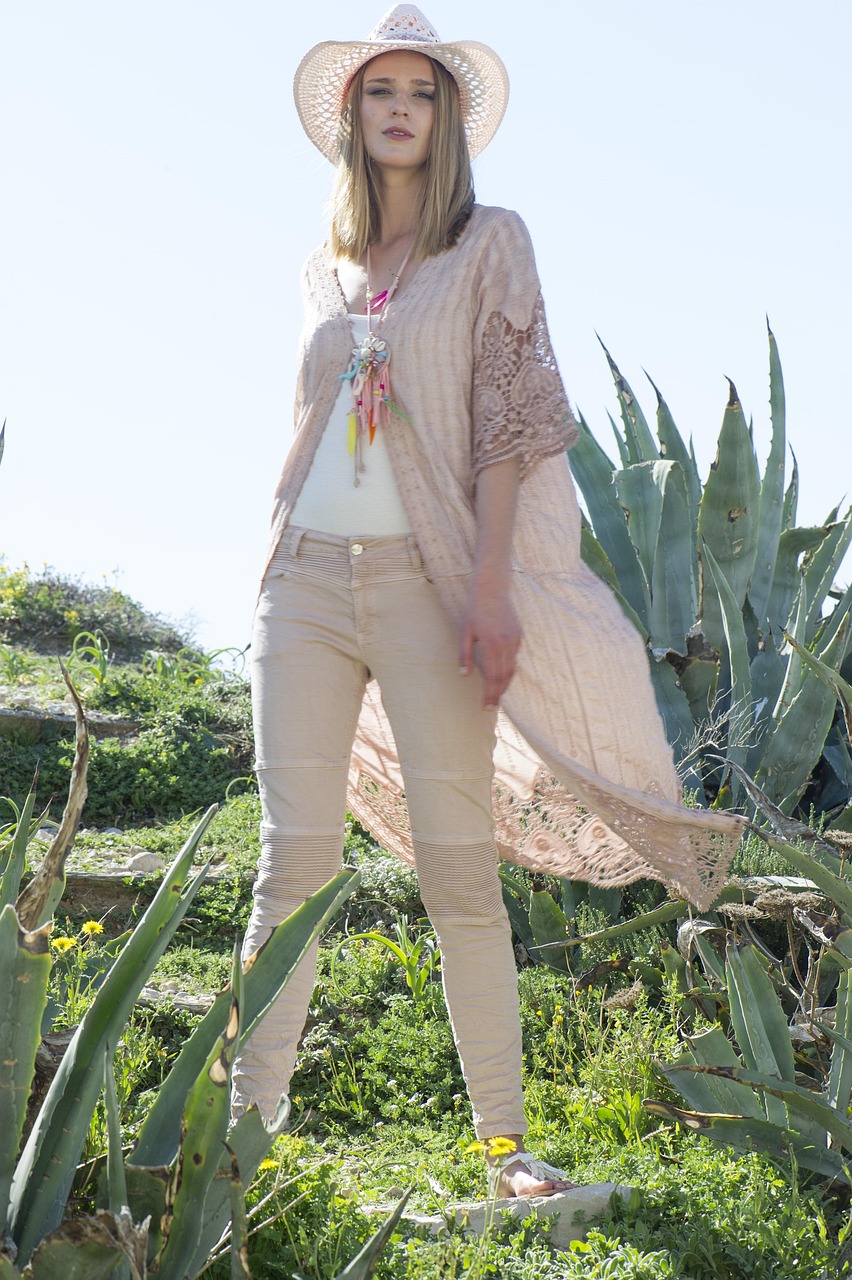
What is Hippie Fashion?
Hippie fashion is a distinctive style of Clothing that emerged as part of the hippie counterculture movement of the 1960s and 1970s, which celebrated peace, freedom, love, and individuality. It was more than a trend—it was a form of self-expression and rebellion against social norms, materialism, and conformity.
Hippie fashion refers to a relaxed, colorful, and free-spirited style that reflects the hippie philosophy of peace, nature, and self-expression.
It is characterized by natural fabrics, handmade items, ethnic influences, and vibrant patterns—all symbols of freedom and creativity.
• Hook: Open with how hippie fashion emerged as more than a style—it was a movement that embodied peace, freedom, and individuality.
• Context: Introduce the counterculture era of the 1960s and 1970s that gave rise to hippie fashion.
• Purpose: Explain that this essay explores the origins, characteristics, influence, and lasting legacy of hippie fashion.
Historical Background
Hippie fashion originated in the United States in the mid-1960s, particularly among young people protesting war, consumerism, and social inequality.
Inspired by ideals of love, equality, and spirituality, the movement’s fashion choices reflected a desire to live naturally.
• Influences came from:
- Eastern cultures (India, Nepal): flowing fabrics, beads, and vines
- Native American styles: fringe, leather, and natural motifs
- Bohemian and folk fashion: embroidery, maxi dresses, and handmade crafts
The movement reached its peak during events such as Woodstock (1969), where fashion and music united as a symbol of peace and freedom.
Key Features of Hippie Fashion
1. Natural fabrics: cotton, linen, and hemp instead of synthetic materials.
2. Loose and flowing Clothing: Maxi skirts, bell bottoms, tunics, and ponchos that allow for free movement.
3. Bright colors and patterns: Tie-dye, floral prints, paisley, and patchwork designs.
4. Layering and accessories: Pearl necklaces, leather headbands, scarves, feathers, and oversized sunglasses.
5. DIY and upcycled pieces: Hand-painted, embroidered, or thrifted Clothing that expresses individuality.
6. Unisex appeal: Men and women often wore the same clothes, emphasizing equality and freedom from gender roles.
Symbolism behind the style
Hippie fashion was deeply symbolic:
• Freedom: Loose-fitting and barefoot represented freedom from rigid social structures.
• Peace and love: Floral designs and peace symbols expressed nonviolence and harmony.
• Spirituality: Many hippies adopted Eastern-inspired jewelry and Clothing to express inner awakening and mindfulness.
• Rebellion: Rejecting rapidly changing trends, they favored timeless, handcrafted Clothing as an anti-establishment statement.
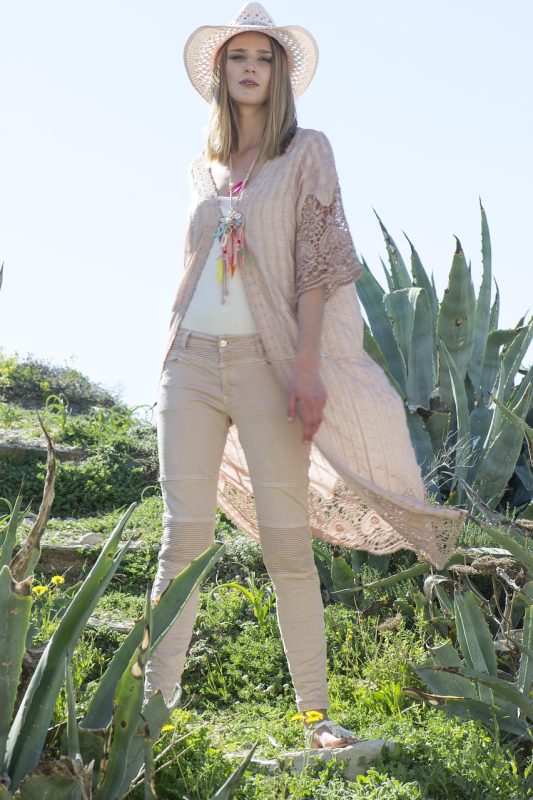
Influential Icons
• Janis Joplin: Known for her bohemian, layered style and flamboyant prints.
• Jimi Hendrix: Known for her colorful shirts, velvet jackets, and scarves.
Stevie Nicks: Famous for her romantic, flowy boho dress.
• The Beatles (late 1960s): Introduced Indian-inspired fashion to Western culture.
Modern Influence
Hippie fashion continues to influence bohemian (boho) and festival fashion today.
Modern designers reinterpret the hippie aesthetic:
Sustainable fabrics and ethical production
• Flowy silhouettes and earth tones
• Vintage-inspired pieces seen at festivals like Coachella
The essence remains the same – fashion as freedom, creativity, and a connection to nature.
Origins of Hippie Fashion
- Birth of the movement:
- How the hippie movement began in the mid-1960s as a rebellion against mainstream values, war, and consumerism.
- The connection between fashion, music, and social change (e.g., Woodstock, The Beatles, Janis Joplin).
Cultural influences:
- Inspiration from Eastern spirituality, Native American traditions, and global ethnic styles.
- The role of handmade, natural, and secondhand Clothing as a rejection of mass production.
Key Characteristics of Hippie Fashion
• Natural Fabrics and Earthy Colors: A preference for cotton, linen, and hemp, with colors inspired by nature.
• Flowy Silhouette: Loose-fitting Clothing that symbolizes comfort and freedom (maxi skirts, bell bottoms, tunics).
• Bohemian Prints and Patterns: Tie-dye, paisley, floral, and ethnic-inspired designs.
• Layering and Accessories: Use of beads, feathers, headbands, scarves, and fringe.
• DIY and Thrift: Clothing as self-expression — hand-painted jeans, patched jackets, or upcycled Clothing.
Symbolism Behind the Style
• Freedom and Rebellion:
- Dressing freely was a statement against societal expectations and rigid gender norms.
- Peace and Unity:
- Clothing often incorporated peace signs, flowers, and handmade crafts that represented love and equality.
• Spiritual connection:
- Eastern-inspired jewelry, flowing dresses, and barefoot looks represent a return to simplicity and nature.
Hippie fashion icons
• Celebrities and musicians:
- Janis Joplin, Jimi Hendrix, Stevie Nicks, and the Beatles as major style icons.
• Festival influence:
- Woodstock is a pivotal moment in the expression of hippie culture and fashion.
• Designers and brands:
- Early bohemian fashion labels that embraced a free-spirited style (e.g., Thea Porter, Ossie Clark).
Evolution of hippie fashion over time
• 1970s to 1990s:
- Shift from hippie to “boho chic” and “retro vintage” influences.
• 2000s to present:
- Revival and rise of sustainable, eco-friendly fashion through music festivals like Coachella.
• Modern interpretations:
- Designers are blending hippie aesthetics with contemporary minimalism and gender fluidity.
The influence of hippie fashion on modern style
• Bohemian and festival fashion: How hippie fashion laid the foundation for today’s boho trends.
• Sustainable fashion movement: The hippie philosophy of reusing and respecting nature mirrors modern eco-conscious fashion.
• Gender-neutral dressing: Early hippies blurred the lines between men’s and women’s clothing—a central theme in current fashion.
How to embrace hippie fashion today.
• Everyday hippie-inspired Clothing:
- Puffy dresses, embroidered vests, flared jeans, and natural fabrics.
• Accessories and styling:
- Layered jewelry, round sunglasses, woven bags, and barefoot sandals.
• Ethical choices:
- Buying vintage, supporting handmade items, and choosing eco-friendly materials.
The Enduring Legacy of Hippie Fashion
• Beyond Clothing:
- How hippie style continues to represent freedom, creativity, and mindfulness.
Cultural Resilience:
- The values of the movement – peace, love, and individuality – are timeless.
• Closing Thoughts:
- Hippie fashion isn’t just about what you wear — it’s about how you live and express your true self.