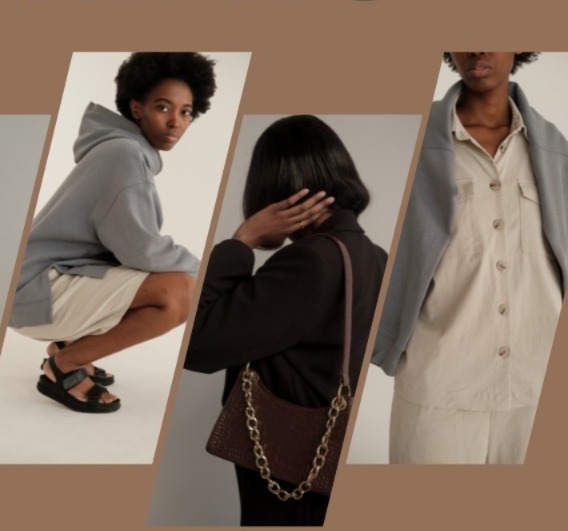
What are Fashion Trends?
Fashion trends are popular styles, designs, colors, or clothing choices that are widely accepted and worn by people during a specific period of time. They represent what is considered “in style” or “fashionable” at a given moment – often influenced by designers, celebrities, culture, media, and social movements.
A fashion trend is a recurring pattern or direction in fashion that captures public interest and becomes a common choice among consumers. It can include clothing, shoes, accessories, makeup, or hairstyles.
Simply put, a trend is something that most people are wearing or talking about right now.
How do fashion trends start?
Fashion trends can start in several ways:
1. Runways and designers: Luxury fashion shows in Paris, Milan, or New York often introduce new trends that lead to high street fashion.
2. Celebrities and influencers: What famous people wear quickly becomes fashionable — think how Kim Kardashian popularized bodycon dresses or how BTS made streetwear global.
3. Social media: Platforms like TikTok, Instagram, and Pinterest spread fashion ideas faster than ever before.
4. Culture and movements: Social and political changes often influence trends — like eco-friendly fashion or gender-neutral styles.
Fashion trend cycle
Trends typically follow a life cycle:
1. Introduction: Designers or early adopters show off a new look.
2. Rise: Influencers and fashion-forward consumers start wearing it.
3. Peak: The trend becomes mainstream and widely available in stores.
4. Decline: Interest begins to wane as people move on to something new.
5. Obsolescence: The trend disappears — though it may return years later as “vintage” or “retro.”
Examples of popular fashion trends.
• Oversized blazers and wide-leg pants
• Minimal “clean girl” or neutral-toned clothing
• Y2K-inspired looks (crop tops, metallics, and low-rise jeans)
• Streetwear and sneaker culture
• Sustainable and eco-friendly clothing
• Vintage and thrift fashion
Why fashion trends matter.
The impact of fashion trends:
• What we buy: They drive retail sales and brand marketing.
• How we express ourselves: People use trends to express identity, personality, or mood.
• Culture and society: Trends reflect broader changes — from technology to gender expression to sustainability.
Fashion is more than just the clothes we wear — it’s a universal language of self-expression, identity, and culture. Every outfit tells a story about who we are, what we value, and the world we live in. From the 1950s slacks to today’s casual wear, our clothing choices are heavily influenced by the trends of the moment.
Fashion trends not only guide what’s available in stores but also shape how society perceives beauty, confidence, and individuality. They shape our everyday choices — from the jeans we wear to the shoes we buy — transforming fashion into a personal and cultural statement.
In this article, we’ll explore how fashion trends emerge, why they have such an impact, and how they shape the way we dress.
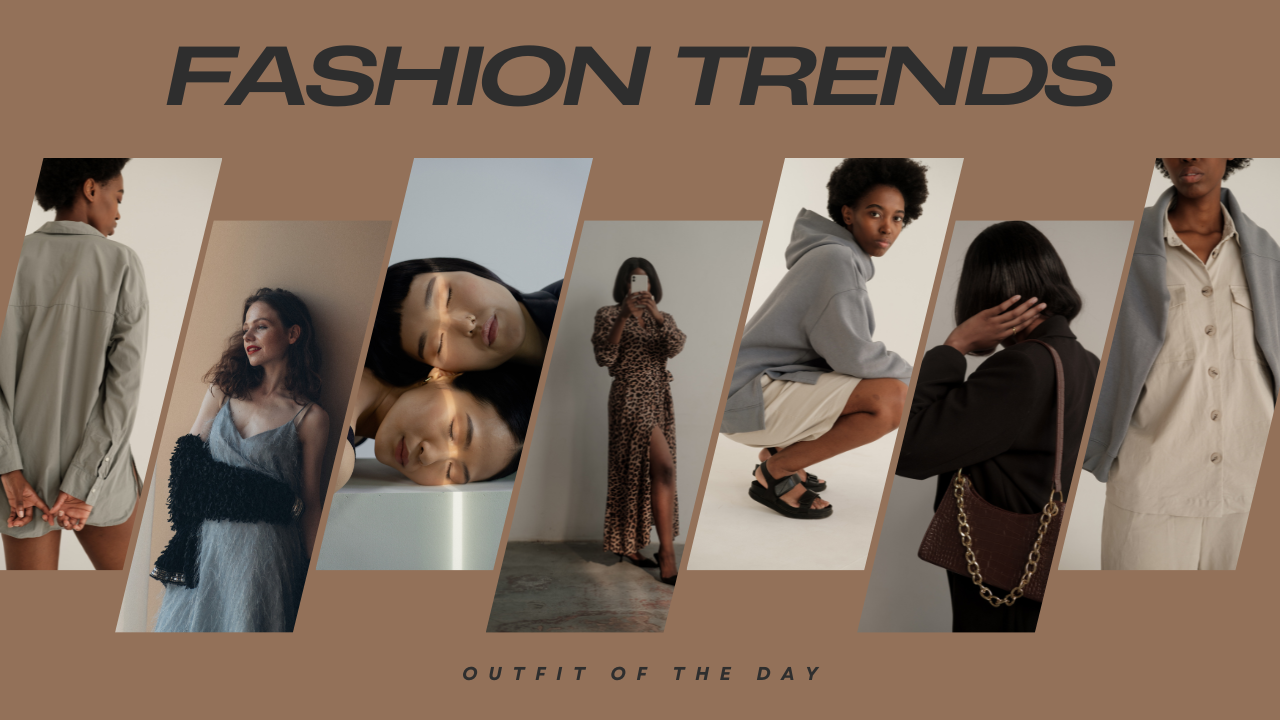
Understanding Fashion Trends
A fashion trend is a popular style, design, or color that gains widespread acceptance over a period of time. It can be something small — like a fabric pattern — or something sweeping, like wide-leg pants or the return of vintage shoes.
1. Where do trends come from?
Trends often start in several places:
• Designer runways: High-end fashion houses like Chanel, Dior, or Prada often introduce new silhouettes and color palettes during fashion week that cross over into mainstream fashion.
• Celebrities and influencers: When a celebrity or social media influencer wears a specific style, it often becomes an instant trend.
• Street style: Many trends actually start in everyday people and youth subcultures — think punk, hip-hop, or skater aesthetics.
2. Trend cycles
Fashion follows a natural cycle:
1. Introduction – Designers or influencers show a new look.
2. Rise – Early adopters and fashion enthusiasts embrace it.
3. Peak – The trend is mainstream and widely available.
4. Decline – The market becomes oversaturated, and interest fades.
5. Obsolescence – The trend disappears, only to be revived years later.
This cyclical nature ensures that fashion constantly reinvents itself — what is old often becomes new again.
The Cultural Impact of Fashion Trends
Fashion is deeply intertwined with culture and society. Trends do not simply reflect personal tastes; they mirror global changes, political movements, and cultural values.
1. A Mirror of Society
Throughout history, fashion has evolved alongside social change.
• 1960s: The rise of miniskirts and bold colors reflected women’s liberation and youth rebellion.
• 1980s: Power suits became a symbol of professional aspiration and gender equality in the workplace.
• 2020: Sustainable fashion reflects a growing concern for the planet and ethical production.
Trends often serve as cultural timestamps, preserving the mood and values of each era.
2. Cultural exchange
Globalization has opened fashion to endless cultural fusion. Japanese streetwear, Korean minimalist fashion, African prints, and Indian textiles now influence Western designers and vice versa.
Social media and travel have facilitated the global spread of ideas, resulting in hybrid styles that represent diversity and inclusion.
The Psychological Impact of Fashion Trends
Fashion doesn’t just affect how we look—it affects how we feel and how others perceive us.
1. Self-Expression
Clothing gives people the freedom to express their identity. Whether someone wears vintage, edgy, or elegant fashion, their clothing is an extension of their personality. The following trends can help individuals feel current, creative, and connected to cultural discourse.
2. Social Connection
Fashion also serves as a social connector. People often follow trends to feel part of a community—whether it’s the music scene, workplace culture, or ethnic aesthetics like Gen Z’s Streetwear or Millennials’ minimalism.
3. Confidence and Perception
Wearing something stylish or trendy can instantly boost confidence. Fashion psychologists note that people often perform better when they feel well-dressed — a concept called “closed perception.” In short, what you wear can shape the way you think and act.
The Role of Media and Technology
Technology and media have completely revolutionized how trends spread and how we shop.
1. The Impact of Social Media
Platforms like Instagram, TikTok, and Pinterest are now fashion’s new runways. A viral post can start a global trend overnight. Influencers, fashion bloggers, and content creators pique consumer interest faster than traditional advertising.
2. Fashion Marketing
Brands collaborate with celebrities, artists, and influencers to market new looks. Limited-edition drops and online exclusives create immediacy and excitement, especially among younger consumers.
3. Digital Fashion and AI
In 2026 and beyond, AI-powered fashion tools and virtual try-ons are reshaping shopping. Digital apparel—once only available online—is becoming popular in the metaverse and social media, blending technology with creativity.
The Economic Impact of Fashion Trends
Fashion trends have major economic impacts—affecting global production, sales, and consumer habits.
1. Consumer Behavior
People often buy new clothes to keep up with changing styles, driving up retail demand. Trends create seasonal cycles that encourage continued shopping.
2. The Impact of Fast Fashion
Brands like Zara, H&M, and Shein popularized fast fashion—producing trendy clothes at lightning speed and at a low price. While it made fashion more accessible, it also raised environmental and ethical concerns.
3. A Shift to Sustainability
More consumers are now prioritizing quality over quantity. They look for eco-friendly fabrics, ethical brands, and timeless designs that go beyond a single trend season. It signals a cultural shift toward slow fashion—conscious consumption over impulse purchases.
How Fashion Trends Influence Everyday Dressing.
Fashion trends flow from the runway to real life. Even those who claim not to follow trends are often indirectly influenced by them.
1. From the runway to real life
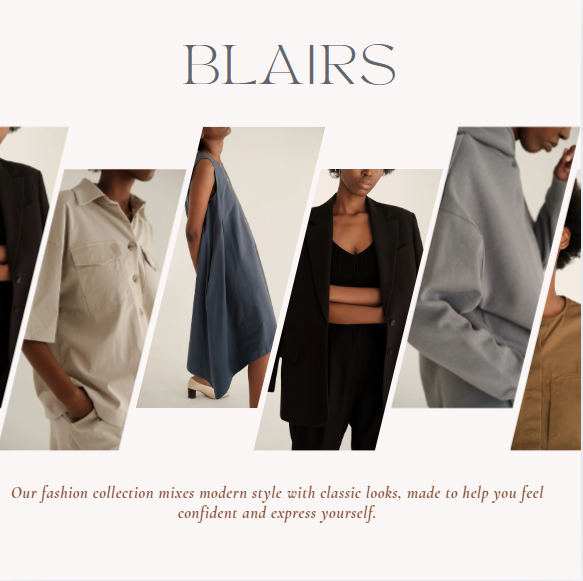
Designers set the tone, but brands reinterpret high-end looks for everyday wear. For example, oversized blazers and neutral tones that started as luxury trends are now common in casual wear.
2. Personal adaptation
Most people personalize trends—mixing current items with their own taste. Someone might pair modern cargo pants with a classic white shirt, mixing modern and timeless elements.
Dress according to the season and the occasion. Trends also influence what we wear based on the season or occasion. Summer collections may focus on bright colors and light fabrics, while winter brings layered textures and muted tones — all inspired by the latest runways.
The Future of Fashion Trends
Fashion is entering an era defined by sustainability, inclusion, and technology.
1. Sustainable and Slow Fashion
More designers are promoting eco-friendly materials, recycled fabrics, and circular fashion models that reduce waste.
2. Inclusion and Diversity
Brands are becoming more representative—offering extended sizes, unisex collections, and campaigns that feature people of all backgrounds, abilities, and identities.
3. Tech-Driven Fashion
The integration of AI design, 3D printing, and virtual clothing is changing the way trends emerge. In the near future, consumers will be able to digitally design their own clothes or buy virtual outfits for online avatars.
Conclusion
Fashion trends have always played a powerful role in shaping how we dress, think, and express ourselves. They are not just about aesthetics—they are reflections of society, technology, and human creativity.
Trends come and go, and the way we interpret them defines our personal style. The key is balance — embracing trends that resonate with you, while staying true to your individuality.