


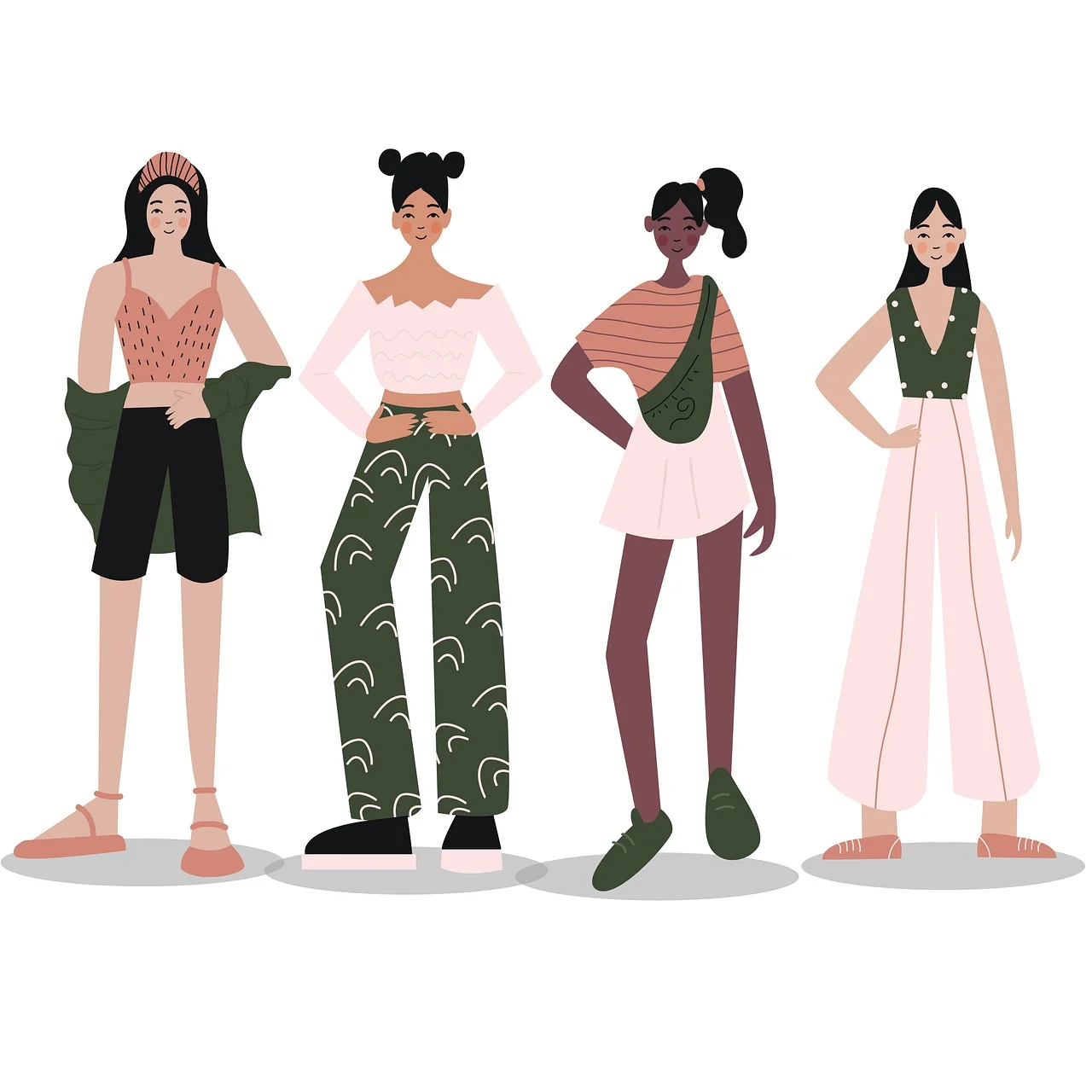
What is Trendy Fashion?
Trendy fashion refers to the latest and most popular styles, clothing, and accessories that are currently in demand in the fashion industry. It reflects what is “in style” at a particular time — influenced by celebrities, social media, designers, and cultural shifts.
Fashion has always been a mirror of society — reflecting how we live, think, and express ourselves. As we enter 2026, the world of fashion is evolving faster than ever. With technology transforming design, fashion shaping shopping habits, and style redefining individuality, trends are taking on a deeper meaning than “in” or “out.”
This year, it’s all about balance — innovation with ethics, comfort with expression, and digital with physical style. From AI-inspired designs to eco-friendly clothing, the 2026 fashion trends are rewriting the rules of self-expression. Let’s dive into what’s hot — and what’s not — in this exciting new fashion era.
Trendy fashion means wearing or following the most current fashion trends — those that are widely appreciated and adopted by people during a particular season or year. It is about being the latest, stylish, and in line with what is happening in the fashion world.
Key Characteristics of Trendy Fashion
1. Current and Dynamic:
Trends change quickly — what is fashionable today may be old tomorrow. Modern fashion is constantly evolving.
2. Pop Culture Influenced:
Social media platforms (like TikTok, Instagram, and Pinterest), celebrities, and influencers play a huge role in setting and spreading trends.
3. Youth-Driven:
Younger generations — especially Gen Z — often lead the movement, experimenting with bold colors, unique silhouettes, and expressive styles.
4. Diverse and inclusive:
Modern fashion celebrates all body types, genders, and cultures, making style more personal and accessible.
5. A mix of high and low fashion:
Modern looks often mix designer pieces with affordable fast fashion items or vintage finds to create unique, creative outfits.
Examples of trendy fashion items.
• Oversized blazers and baggy jeans
• Athleisure wear (hoodies, joggers, sneakers)
• Minimal neutral tones or monochrome looks
• Y2K-inspired clothing (low-rise jeans, crop tops, metallics)
• Sustainable or upcycled clothing
• Statement accessories like chunky jewelry or mini bags
The purpose of trendy fashion
Trendy fashion allows people to:
Express individuality and creativity.
• Stay connected to social and cultural movements
• Feel confident and stylish.
• Experiment with new aesthetics and combinations.
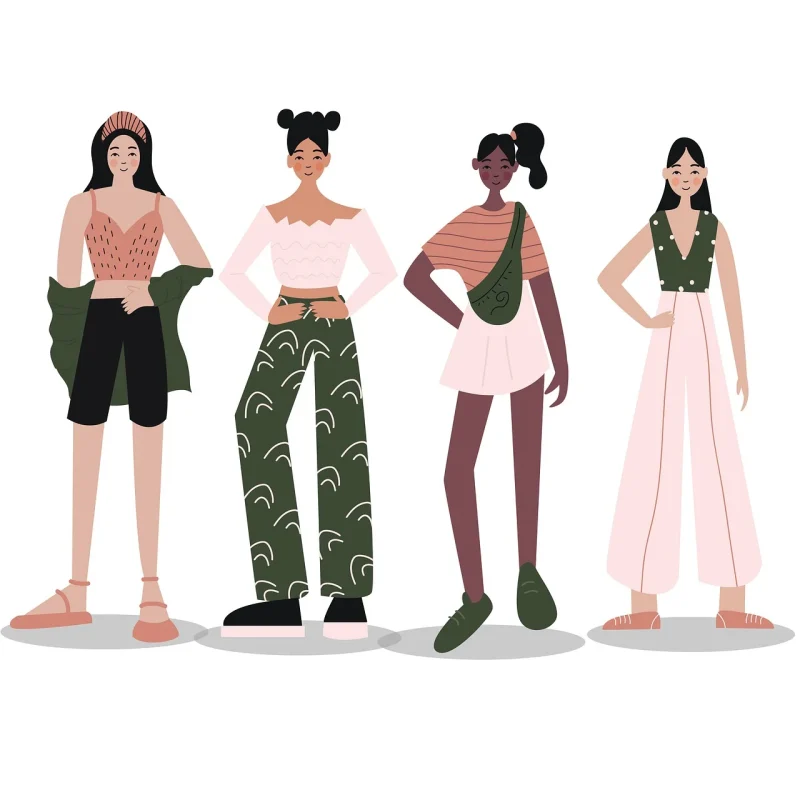
The Evolution of Fashion Trends
Over the past decade, fashion has undergone a cultural shift. The early 2020s saw a shift from fast fashion to conscious consumption. Lockdowns during the pandemic popularized comfort wear and athleisure, while the years that followed brought bold statements of freedom and creativity.
By 2026, fashion will have become a fusion of purpose and personality. The shaping influences of this new wave include:
• Digital fashion and AI styling: Virtual fitting rooms, AI-powered clothing suggestions, and digital clothing for online avatars are becoming mainstream.
• Sustainability: Consumers are increasingly aware of the environmental cost of clothing, pushing brands to go green.
• The power of Gen Z: Younger shoppers value authenticity and individuality over luxury logos.
• Nostalgia and renewal: Styles from the 80s, 90s, and Y2K eras continue to inspire new silhouettes, fabrics, and color palettes.
What’s Hot in 2026.
1. Sustainable Chic
Sustainability is no longer a buzzword — it’s a movement. In 2026, “eco-friendly” means more than organic cotton. Designers are experimenting with lab-grown textiles, biodegradable fabrics, and recycled materials. Brands are highlighting ethical labor practices, minimal waste, and transparent supply chains.
Vintage shopping and upcycling are on the rise, making secondhand the new luxury. Fashionistas proudly flaunt thrift and DIY customizations, proving that sustainability can be stylish.
2. Tech-Infused Fashion
Technology is reshaping the fashion landscape. In 2026, expect smart clothing that adapts to your environment — fabrics that cool themselves in the heat, self-cleaning fibers, and even embedded sensors that track fitness or posture.
AI styling tools can now analyze your wardrobe, suggest combinations, and even simulate how you’d look in different outfits using augmented reality (AR). Digital fashion — clothing that exists only in virtual form — is becoming a creative outlet for influencers, gamers, and designers.
3. Neo-minimalism
After years of maximalist trends, simplicity is making a comeback. Neo-minimalism focuses on timeless silhouettes, neutral tones, and quality over quantity. Think perfectly tailored pants, crisp white shirts, and monochrome layering.
Capsule wardrobes — built around interchangeable basics — are on the rise. 2026 mantra: Buy less, but better.
4. Gender-fluid fashion
Fashion in 2026 is all about freedom of identity. Gender boundaries are blurring as designers create unisex lines and fluid silhouettes. Oversized blazers, relaxed pants, and flowing dresses dominate both menswear and womenswear collections.
The message is clear: Fashion is for everyone, regardless of gender. Expression, comfort, and individuality take center stage.
5. Statement accessories
Accessories are making a bold comeback. Expect to see chunky metal jewelry, oversized sunglasses, and art-inspired handbags that double as conversation pieces.
Even in minimalist wardrobes, accessories are key to adding personality. Futuristic visors, sculptural earrings, and color-block sneakers are trending, offering an easy way to freshen up a classic look.
6. Vintage Reinvention
Nostalgia continues to dominate fashion – but with a modern twist. 2026 brings the reinvention of 80s and 90s staples: oversized blazers, cargo pants, dad boots, and mom jeans.
Rather than simply copying the past, designers are remixing the era, blending retro cuts with futuristic fabrics and color palettes. Vintage pieces are now seen as both eco-friendly and culturally rich.
What’s Not in 2026.
1. Fast Fashion Overload
The era of throwaway fashion is finally coming to an end. Shoppers are rejecting cheap, short-lived clothing and demanding ethical alternatives. Transparency in production is no longer optional – it’s expected.
Fast fashion brands that fail to adapt to sustainable practices are losing relevance among young, eco-conscious consumers.
2. Overly Branded Clothing
Gone are the days when wearing a giant logo on your chest screamed status. In 2026, subtlety rules. Consumers now value authentic design and craftsmanship over loud branding.
Minimal logos and quiet luxury define modern elegance — understated yet sophisticated.
3. Excessive Streetwear Hype
While streetwear will never truly disappear, its dominance is softening. The market is shifting toward better casual wear — clean cuts, structured jackets, and elevated basics.
Think of it as “grown-up streetwear”: still casual, but polished enough for work or dinner.
4. Microtrends that fade quickly.
TikTok-driven aesthetics like “Barbiecore” or “Cottagecore” have taught consumers one thing — fleeting trends waste money and resources. In 2026, people are avoiding microtrends that disappear overnight.
Instead, they are investing in versatile, timeless pieces that can adapt to multiple looks throughout the year.
5. Uncomfortable Fashion
Functionality is now in fashion. Restrictive clothing like tight corsets, painful heels, or stiff fabrics is losing favor. People want comfort without compromise — comfortable silhouettes, breathable materials, and shoes made for real life.
Fashion houses are embracing this shift by prioritizing ergonomics and wearability in every design.
How to Stay Stylish in 2026
Looking fashionable in 2026 isn’t about following every trend — it’s about curating a wardrobe that reflects you.
Here’s how:
1. Create a capsule wardrobe: Focus on mixing and matching accessories that last.
2. Mix old and new: Pair timeless basics with one or two on-trend pieces.
3. Support sustainable brands: Choose eco-friendly labels that align with your values.
4. Prioritize comfort and confidence: The best outfit is one that makes you feel great.
5. Experiment with technology: Try AR fitting rooms, AI outfit planners, or digital styling apps for inspiration.
Conclusion
Fashion in 2026 isn’t just about how you look – it’s about how you live. The new era of style values sustainability, authenticity, and innovation. People no longer dress to impress others. They’re dressing to express themselves.