


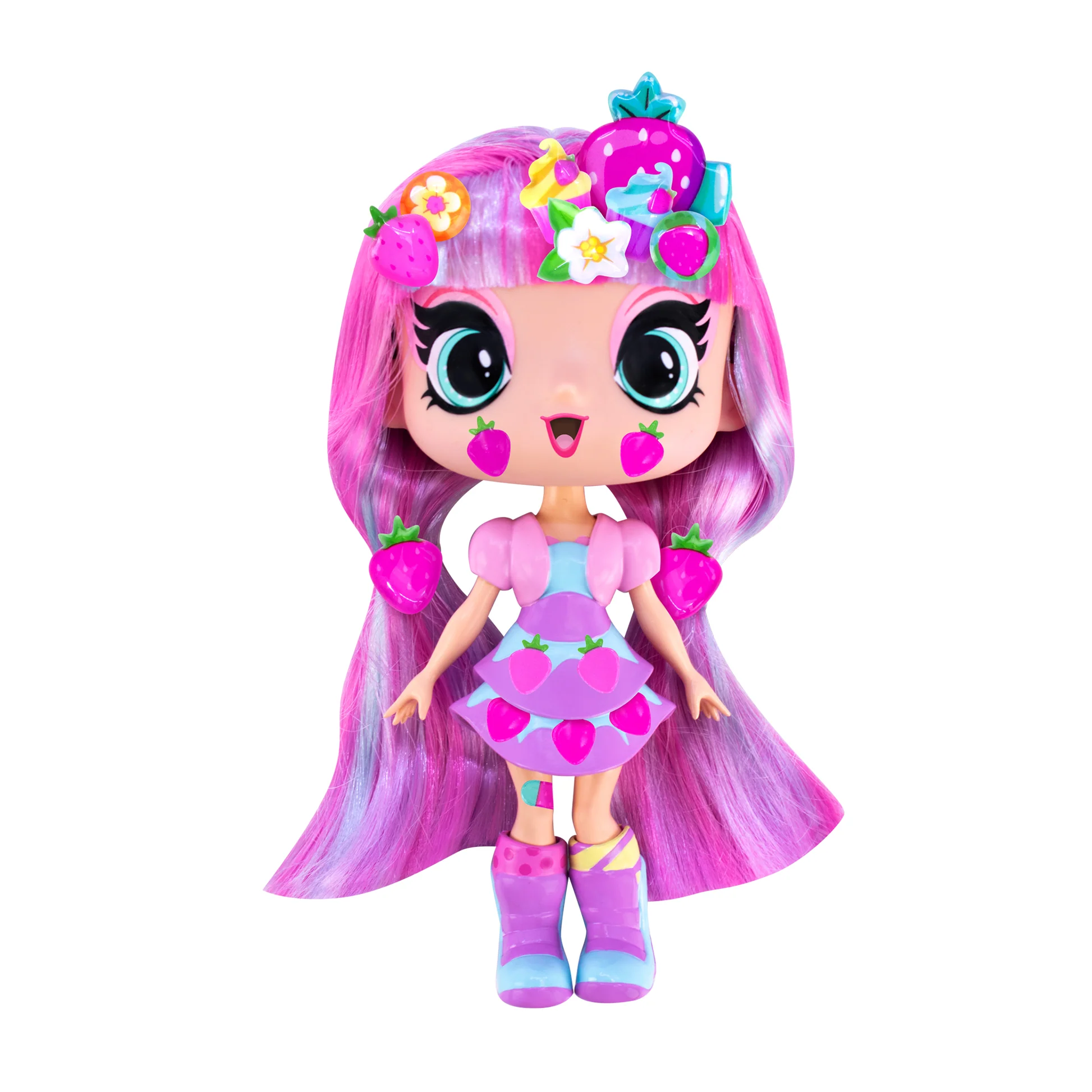
What is Decora Fashion?
Decora fashion is a colorful Japanese street style that emerged in Harajuku in the late 1990s. The word “decora” comes from “decoration”, which reflects its main characteristic: excessive layering of accessories and playful, kawaii (cute) objects.
Rather than following the traditional rules of fashion, decora celebrates chaos, creativity, and self-expression. Outfits are often made up of bright, clashing colors, layered clothing, and dozens – sometimes hundreds – of accessories such as hair clips, bracelets, toys, charms, stickers, and even decorative Band-Aids.
Decora fashion is one of Japan’s most colorful and playful street style movements, which originated in Harajuku in the late 1990s. The word “decora” comes from “decoration”, which perfectly describes the style’s central idea: the more, the better.
Layered outfits, clashing colors, and an almost endless abundance of accessories define this aesthetic. But beyond the playful chaos, Decora is a celebration of individuality, self-expression, and joy. It’s not just about dressing up—it’s about creating a world where imagination comes first and fashion rules are ignored.
Key features of Decora fashion:
• Color explosion: Neon, pastel, and rainbow palettes mixed freely.
• Accessory overload: Multiple hair clips, jewelry, toys, and novelty items.
• Layering: Clothes stacked on top of each other for a playful, heavy effect.
• Childlike aesthetic: Nostalgic nods to cartoons, toys, and kawaii culture.
• “More is more” philosophy: Style embraces excess—the more accessories, the better.
Cultural significance
Decora is not just fashion—it’s a form of self-expression and rebellion. It allows wearers to embrace childlike joy, reject minimalism, and find identity in colorful chaos. While its heyday was in the early 2000s, decora continues to thrive in global J-fashion communities and online culture today.
The Origins and Evolution of Decora Fashion
1. Rooted in Harajuku Culture.
Harajuku in Tokyo became a hub for youth subcultures in the 1990s, where teenagers experimented with style outside of mainstream Japanese fashion. Decora emerged here with gothic lolita, visual kei, and fairy kei. Unlike darker or more romantic subcultures, decora embraced aesthetics such as kawaii (cute) culture, anime influences, and toys.
2. The Early 2000s “Decora Boom”
Decora’s rise came in the early 2000s, when magazines like FRUiTS began documenting Harajuku street fashion. Images of “Decora kids” — covered in rainbow accessories and layers of playful clothing — have spread around the world, turning them into icons of Japanese youth culture.
3. Decora Today
Although its mainstream popularity in Japan has waned, decora is alive and well globally. Thanks to online communities, fashion enthusiasts, and conventions, the style is thriving in J-fashion circles overseas. Today, decora is celebrated as a nostalgic throwback to early 2000s Harajuku and as an emerging expression of color and creativity.
The Role of Color in Decora Fashion
1. Bright, Eye-Catching Palettes
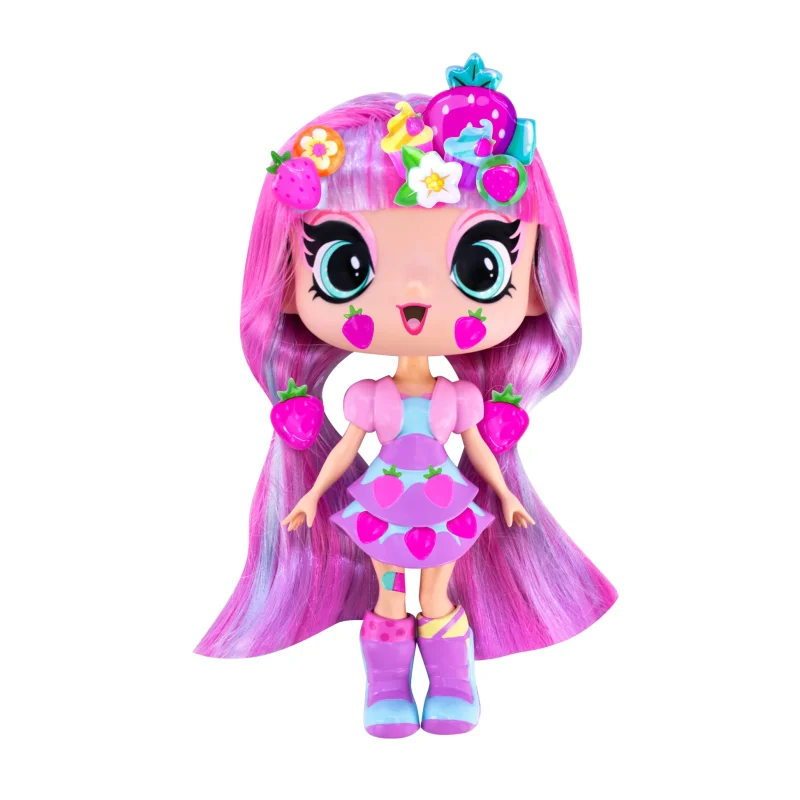
Decora thrives on color – whether neon, pastel, or rainbow, the brighter the better. Unlike a coordinated style, decora fashion deliberately embraces visual overload.
2. Color Mixing Rules (or Lack of Them)
There are no rules in decora color mixing. A neon green skirt can be paired with a pastel pink jacket, complete with multi-colored tights and rainbow hair clips. What seems like chaos becomes an aesthetic in itself.
3. Color Symbolism
In decora fashion, color symbolizes joy, energy, and rebellion against conformity. Dressing in vibrant, matching tones is not only playful but also a way to signal individuality and emotional expression.
Accessories as the Heart of Decora
1. Layering as Identity
Accessories are the defining characteristic of Decora. Clothing is often secondary to accessories that cover every visible space—from dozens of hair clips to bracelets running down both arms.
2. Everyday items as accessories
Part of Decora’s charm is its repurposing of toys, stickers, charms, and novelty trinkets as wearable art. A child’s plastic toy can be turned into a necklace, while cartoon Band-Aids are worn decoratively on the face.
3. The “More, the Better” Philosophy
Minimalism has no place at Decora. The goal is abundance, excess, and happy clutter. The more layers, the more accessories, the more stickers—the closer Decora comes to embodying the true spirit of fashion.
Decora Fashion as Self-Expression
1. Playfulness and Escapism
Decora taps into childhood nostalgia. It allows wearers to enjoy the carefree joys of toys, cartoons, and colorful playtime. For many, it is a form of escape from the pressures of everyday life.
2. Nonconformity
Decora rejects mainstream standards of beauty and style. Rather than aiming for “chic” or “pretty,” Decora celebrates excess, craftiness, and freedom. By going against traditional aesthetics, it becomes a quiet rebellion in a society that often values uniformity.
3. Community and Identity
Wearing Decora isn’t just about fashion—it’s also about belonging to a community. Decora enthusiasts often connect at meetups, conventions, or online platforms, sharing styling tips and celebrating their individuality together.
Impact on global fashion and pop culture
1. International spread
While its roots are in Harajuku, Decora has spread worldwide through J-fashion communities, anime conventions, and social media. Fans around the world recreate the scene, keeping the culture alive far beyond Japan.
2. Inspiration for designers and stylists
Elements of Decora have influenced high fashion and streetwear. Designers often take layering techniques, bold colors, and childlike accessories to create beautiful runway looks.
3. Pop culture connections
Decora has been linked to anime aesthetics, J-pop idols, and even global pop stars who adopt Harajuku-inspired styles. From Gwen Stefani’s Harajuku phase in the 2000s to K-pop idols experimenting with more and more styling, Decora’s influence extends to mainstream entertainment.
Conclusion
Decora fashion is a movement built on joy, creativity, and self-expression. From its Harajuku roots to its global revival, it continues to inspire people to embrace color and individuality.
By combining bright palettes, playful layers of accessories, and a philosophy of “more is more,” Decora proves that fashion doesn’t have to follow rules. It can be a celebration of chaos, a rejection of minimalism, and, above all, a statement of identity.