


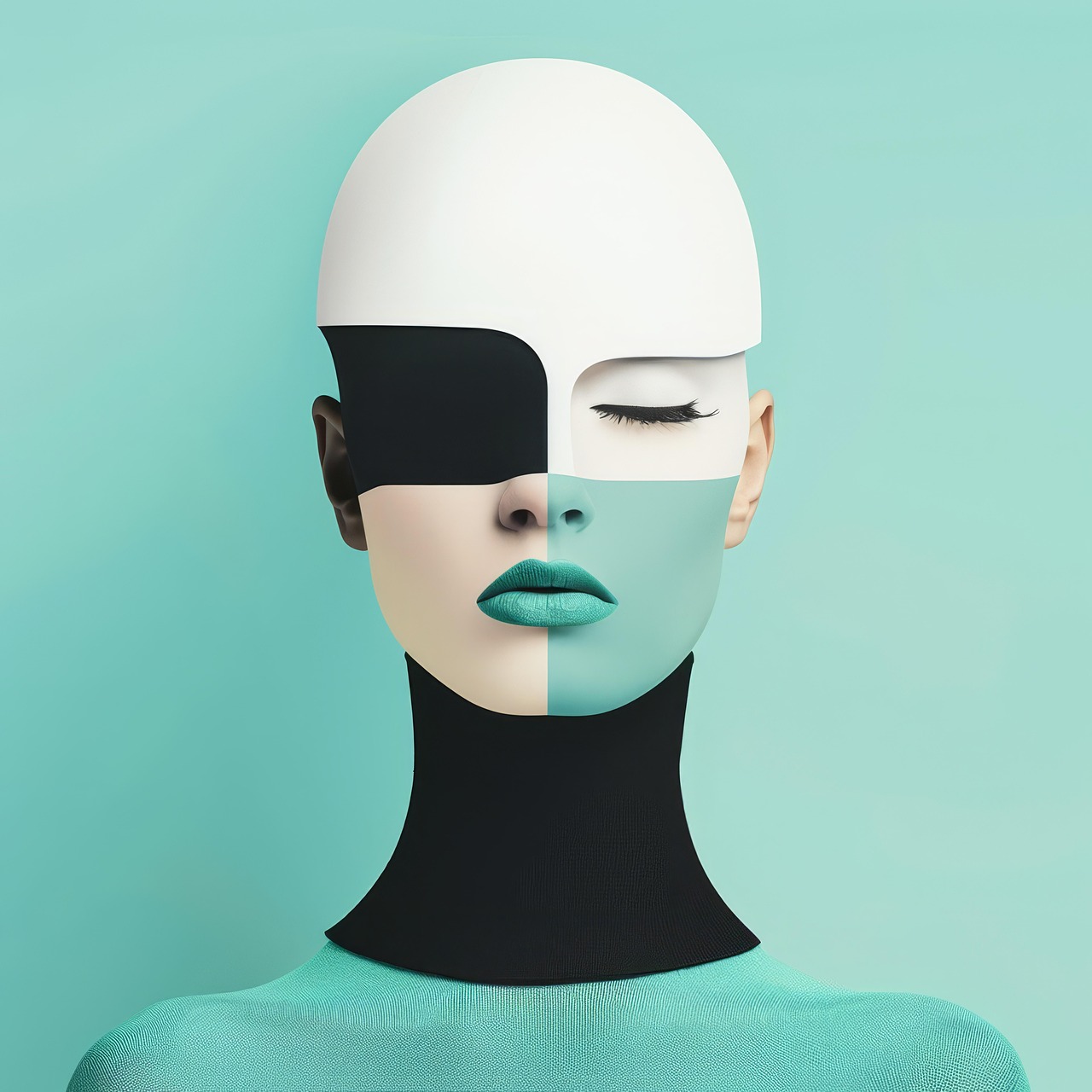
What is Surrealism Fashion?
Surrealist fashion is a design approach inspired by the surrealist art movement of the 1920s, which explored dreams, the unconscious, and the irrational. In fashion, surrealism translates into clothing and accessories that distort reality, challenge conventions, and blur the line between fantasy and functionality.
Rather than focusing solely on wearability, surrealist fashion views clothing as an artistic expression—often dreamlike, symbolic, and unpredictable.
Surrealism began as an art movement in the early 20th century, rooted in the exploration of the unconscious mind, dreams, and irrational phrases. Artists such as Salvador Dalí, René Magritte, and Man Ray used surrealist imagery to question reality and evoke emotions in the unusual and unexpected.
Surrealism Fashion, always a mirror of culture, absorbed surrealist ideas and translated them into design. More than just clothing, surrealist fashion transforms garments into works of art that blur the line between fantasy and functionality. On the runway, surrealism transforms fabric into illusion, challenges conventional beauty, and opens the door to imaginative storytelling.
Key characteristics of surrealism fashion:
1. Illusion and trompe l’oeil
Using prints, embroidery, or textures to trick the eye (for example, Elsa Schiaparelli’s trompe l’oeil sweater).
2. Distorted silhouette
Surrealism fashion, Exaggerated proportions, body shape changes, or unusual shapes that alter the human form.
3. Symbolism in design
Everyday objects are reimagined as fashion: lips as handbags, shoes as hats, eyes as jewelry.
4. Dreamlike or theatrical runways
Shows staged like surreal performances – transforming the runway into a fantasy world.
5. Playfulness and shock value
Fashion that surprises, provokes, or amuses rather than simply dressing the body.
Examples of realism in fashion:
• Elsa Schiaparelli (1930s): Collaborated with Salvador Dali to create iconic surrealist clothing such as the lobster dress and shoe hat.
• Alexander McQueen: Known for haunting, dreamlike shows with distorted bodies and fantastical creatures.
• Iris van Herpen: Uses technology and science to create futuristic, surreal designs that seem otherworldly.
• Modern Schiaparelli (Daniel Rosebery): Livened up surrealist clothing with gold body-part accessories and bold, symbolic shapes.
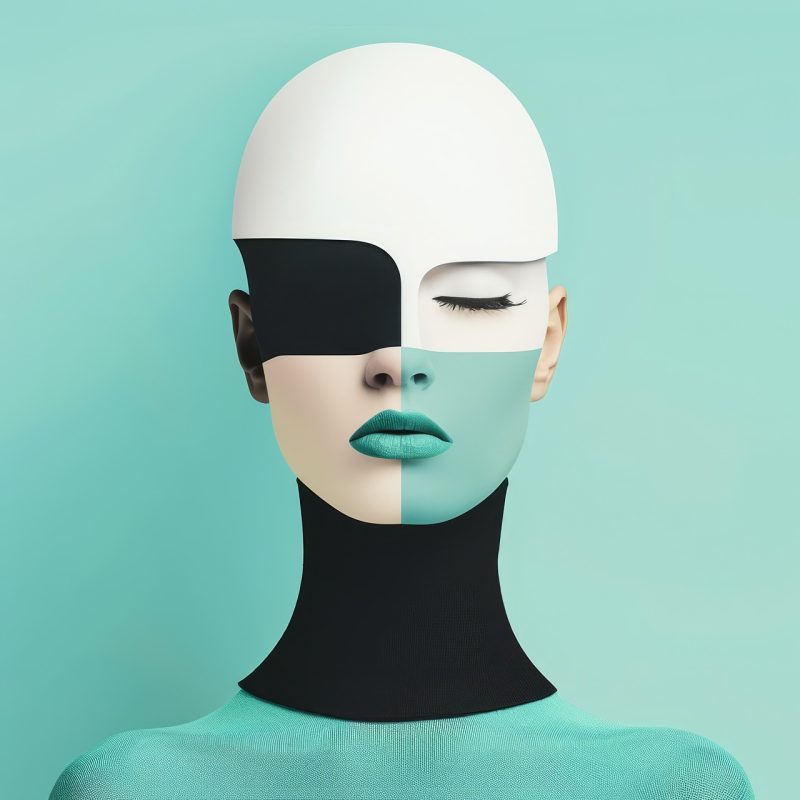
Why surrealism matters in fashion:
• It challenges standards of beauty by reshaping the body in unusual ways.
• It makes fashion a form of art and cultural commentary rather than just clothing.
• It offers imagination and escapism, allowing designers and audiences to explore dreamlike possibilities.
Historical roots of realism in fashion.
1. The realist movement in art
Realism emerged in Paris during the 1920s, led by André Breton, who described it as “pure psychological automatism”. It aimed to free creativity from rational thought, drawing inspiration instead from dreams, chance, and the unconscious. Common motifs included distorted objects, dreamlike scenes, and unusual human forms.
These principles soon found their way into fashion, where designers realized that clothing, like painting or sculpture, could become a realistic medium.
2. Elsa Schiaparelli: The Pioneer
No discussion of realism in fashion can begin without the Italian designer Elsa Schiaparelli, who revolutionized the clothing of the 1930s. She collaborated directly with realist artists, most famously Salvador Dali. Together, they created unforgettable pieces such as:
• The Lobster Dress (1937): A silk evening gown with a large lobster motif, painted by Dalí, that combines beauty with absurdity.
• The Shoe Hat (1937): A high-heeled shoe turned inside out and worn like a hat.
• Trompe l’oeil sweaters and gowns: The use of imaginary designs to trick the eye.
Schiaparelli’s work made fashion more than clothing – it became wearable, realistic art.
Realism as a Fashion Language
1. Distortion of Reality
Surrealism fashion often transforms the body into something extraordinary. Dresses can elongate arms, hats can resemble everyday objects, and clothes can appear to melt, float, or twist unnaturally. By exaggerating or distorting form, surrealist fashion makes the familiar strange.
2. Symbolism and imagination
Just like surrealist paintings, fashion borrows symbols to evoke emotion. Lip-shaped purses, eye-shaped brooches, and hand-shaped gloves all have meaning beyond their form. They represent dreams, desires, or unconscious fears, turning outfits into layered narratives.
3. Dreamlike runways
Runways show that embracing realism is often a theatrical experience. Models don’t just walk the stage, but through dreamlike scenes filled with oversized props, unusual lighting, and soundscapes. Rather than selling a collection, the designer tells a surreal story, immersing the audience in a parallel reality.
Modern Designers and Surrealism.
1. Alexander McQueen
Known as fashion’s dark realist, McQueen’s beauty and horror are blurred. He incorporated skeletal forms, hybrid animal-human designs, and theatrical presentations that felt like dream plays. His spring/summer 2001 “Vas” collection, set inside a mirrored asylum, is often cited as one of the most surreal runways ever.
2. Iris van Herpen
Dutch designer Iris van Herpen fuses technology and realism. Using 3D printing, laser cutting, and experimental fabrics, her clothes resemble otherworldly creatures. Her designs float, wave, and twist like science fiction dream forms. She represents the future evolution of realism in fashion.
3. Revived Schiaparelli (Daniel Roseberry)
Under creative director Daniel Roseberry, Schiaparelli has reimagined realistic clothing for the 21st century. The brand’s recent collections have featured oversized eyeballs, gold-plated ears and noses worn as accessories, and gowns adorned with sculptural animal heads. Roseberry has revived Schiaparelli’s realistic DNA for a modern audience.
Editorial and commercial uses
1. Fashion photography.
Magazines and campaigns often use realistic images to captivate audiences. From models to dreamlike landscapes to clothes constructed in impossible ways, realism makes photography feel more like fantasy than documentation. Famous photographers like Tim Walker have embraced realism to create whimsical, unusual visuals.
2. Advertising Campaigns
Luxury brands use realism in marketing to set themselves apart. Campaigns that depict realistic imagery—floating handbags, melting clothes, or models with unrealistic makeup—create intrigue and establish the brand as bold and artistic. This strategy appeals to consumers who crave uniqueness and imagination.
Cultural Impact
Realism in fashion has always been more than an aesthetic—it is a form of cultural commentary. By distorting the body or using absurd imagery, designers challenge traditional standards of beauty and force audiences to confront their own notions of “normal.”
surrealism fashion expresses both collective anxieties and fantasies: hybrid creatures echo fears about technology, distorted bodies mirror society’s relationship with self-image, and dreamlike illusions offer an escape from reality. In this way, realism keeps fashion culturally relevant, not merely decorative.
Conclusion
From Elsa Schiaparelli’s collaborations with Dalí to Alexander McQueen’s haunting spectacles and Iris van Herpen’s futuristic illusions, surrealism in fashion continues to thrive. It transforms the runway into a dreamscape where imagination rules over practicality.
When dreams walk the runway, fashion becomes more than clothing — it becomes a living artwork that pushes boundaries, provokes thought, and allows us to experience the impossible.