


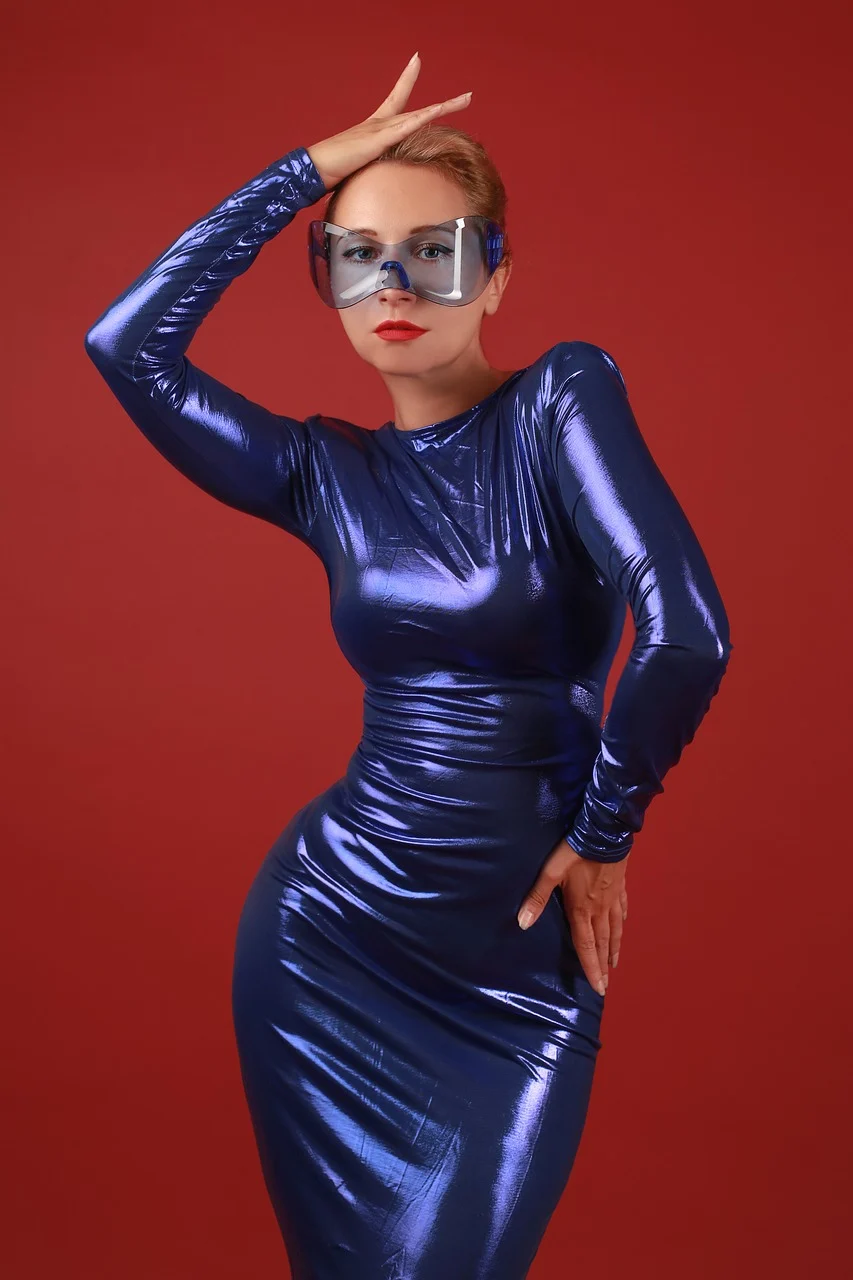
What is Avant-Garde Fashion?
Avant-garde fashion is a style of clothing that pushes the boundaries of traditional fashion by combining art, innovation, and experimentation. The term “avant-garde” itself comes from the French language, meaning “advance guard” or “ahead of its time.” Much like avant-garde art or music, this type of fashion is about challenging norms, breaking conventions, and exploring new ideas.
Rather than focusing on trends, wearability, or commercial appeal, avant-garde fashion is often:
• Conceptual: Each piece carries a message or idea, like a work of art.
• Experimental: Designers use unusual shapes, asymmetries, large proportions, and unconventional materials.
• Provocative: It questions society’s definitions of beauty, gender, identity, and culture.
• Artistic: Runway shows resemble performance art or exhibitions rather than typical fashion shows.
Some of the most influential avant-garde designers include Rei Kawakubo (Comme des Garçons), Yohji Yamamoto, Alexander McQueen, and Iris van Herpen. Their creations are not always intended for everyday wear, but rather to evoke emotions, spark conversations, and redefine fashion.
Introduction
Fashion always reflects culture, but avant-garde fashion goes beyond simply dressing the body – it transforms clothing into art statements. Unlike mainstream fashion, which prioritises wearability and trends, avant-garde fashion is driven by imagination, provocation, and the quest to push creative boundaries. It challenges our notion of what fashion should be, merging art, philosophy, and personal expression into a fundamental form.
Origins of Avant-Garde Fashion
The roots of avant-garde fashion are deeply rooted in 20th-century art movements such as Dadaism, Futurism, and Surrealism. These artistic revolutions questioned tradition, embraced chaos, and celebrated innovation, and designers soon took these ideas to clothing.
Japanese designers such as Rei Kawakubo (Comme des Garçons) and Yohji Yamamoto shocked the fashion world in the 1980s with oversized, deconstructed silhouettes that defied Western ideas of glamour. Similarly, Issey Miyake experimented with fabric technology to change how clothes moved on the body. Avant-garde fashion was never just about clothing; it was a philosophy that rejected conformity and celebrated the extraordinary.
Fashion as an artistic medium
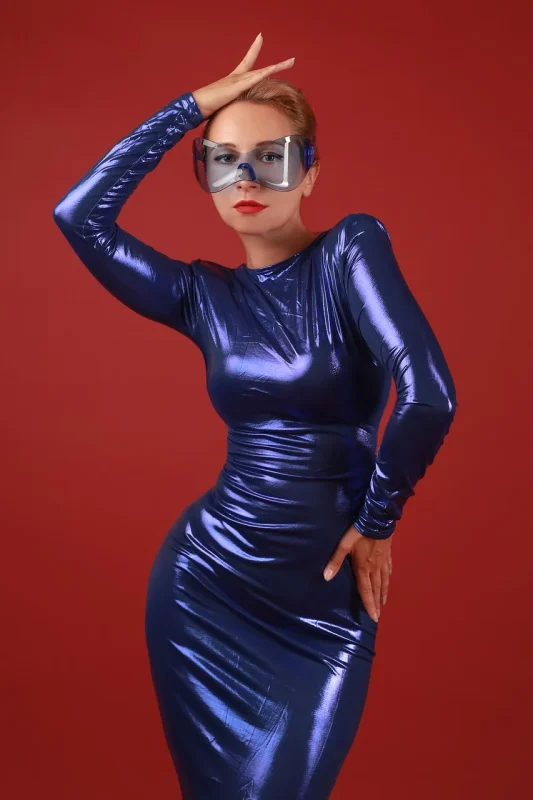
Avant-garde fashion often blurs the line between clothing and sculpture. Designers treat fabric like clay or canvas, moulding it into unexpected shapes that provoke thought. Materials can range from traditional textiles to metals, plastics, and even recycled objects.
In this realm, runways function more like art exhibitions than trade shows. Not every piece is necessarily meant to be worn every day, but rather to spark conversations about society, identity, or even the future of humanity. Avant-garde shows are immersive experiences, like visiting a gallery, where the clothing becomes a visual and emotional journey.
Key Characteristics of Avant-Garde Fashion
Several characteristics characterise avant-garde fashion:
• Unconventional silhouettes: Dramatic, oversized, or asymmetrical shapes that defy physical norms.
• Concept over functionality: Each design tells a story or idea, often prioritising meaning over practicality.
• Symbolism and provocation: Many pieces are designed to challenge standards of beauty, political systems, or cultural values.
• Unexpected materials: Designers often experiment with leather sculptures, paper-made fabrics, or digitally printed fabrics.
This style of fashion is not about fitting in—it’s about making viewers question what clothing, art, and identity really mean.
Fashion as Cultural and Political Commentary in the Avant-Garde
Avant-garde designers often see clothing not simply as a garment to cover the body, but as a language—a way to express ideas, criticise society, and challenge conventions. Through dramatic silhouettes, shocking materials, and conceptual design, they comment on culture, politics, and identity.
1. Challenging beauty standards
• Many avant-garde collections reject mainstream ideas of harmony, thinness, or glamour.
• For example, Rei Kawakubo (Comme des Garçons) created “lumps and bumps” silhouettes in the 1990s that distorted the female body, questioning why women should conform to the same standard of beauty.
2. Gender and identity
• Avant-garde fashion often blurs the lines between masculinity and femininity.
• Designers like Yohji Yamamoto and Rick Owens use androgynous cuts, plus-size shapes, and unisex collections to explore identities beyond traditional gender norms.
3. Politics and protest
Fashion becomes a means of protesting war, environmental destruction, or inequality.
• Vivienne Westwood used punk-inspired avant-garde fashion in the 1970s-80s to rebel against consumerism, capitalism, and political conservatism in Britain.
• Alexander McQueen staged runway shows that commented on colonialism, death, and human cruelty—turning fashion into a platform for protest.
4. Culture and tradition were reimagined.
• Avant-garde designers often interpreted cultural heritage in radical ways.
• For example, Iris van Herpen combines futuristic technology with references to natural forms and cultural myths, showing how tradition and progress can coexist.
5. Environmental and social commentary
• In recent years, avant-garde fashion has engaged with sustainability.
• Designers use recycled materials, zero-waste patterns, and even biodegradable fabrics—not just for aesthetic reasons but to make a statement about climate change and overconsumption.
Influential Designers and Icons
- Rei Kawakubo (Comme des Garçons): Known for deconstruction, asymmetry, and redefining the idea of “beauty.”
- Yohji Yamamoto: Celebrated for his use of black, oversized tailoring and poetic minimalism.
- Alexander McQueen: Known for theatrical runway shows and emotionally charged, art-like creations.
- Iris van Herpen: Blends fashion and technology with 3D printing, laser-cut design, and futuristic aesthetics.
- These designers didn’t just create clothes—they created worlds, with each collection serving as an artistic manifesto.
Avant-Garde Fashion in Popular Culture
- Although avant-garde fashion often appears too experimental for everyday life, it has had a huge impact on pop culture.
- Music: Artists like Lady Gaga, Björk, and Beyoncé often use avant-garde costumes to enhance their stage presence and create unforgettable looks.
- Film and Performance: Futuristic avant-garde fashion often influences costume design in sci-fi and fantasy films.
- Mainstream Fashion: Even if the most daring designs don’t make it to the streets, elements like exaggerated shoulders, minimal black, or innovative fabrics often find their way into ready-to-wear fashion.
- The influence of the avant-garde proves that even the most radical ideas eventually reshape everyday style.
The Future of Avant-Garde Fashion
The future of avant-garde fashion lies in merging creativity with technology.
• 3D Printing and AI: Designers now create garments that are digitally created before they are physically made, pushing the boundaries of form.
• Sustainability: Avant-garde creators experimented with recycled materials and zero-waste design, proving that art and environmental responsibility can coexist.
• Virtual Fashion: With the rise of the digital world, avant-garde fashion is also entering the metaverse, where “wearability” is no longer a concern, and imagination is in full control.
This forward-thinking approach ensures that avant-garde fashion will always lead, not follow.
Conclusion
Avant-garde fashion is more than clothing – it is art in motion. By breaking the boundaries of form, material and purpose, it asks us to reimagine beauty, identity and culture. From the runway to pop culture and into the digital future, avant-garde fashion is proving that style is not just about the clothing of the body, but also about the expression of thoughts and emotions.