


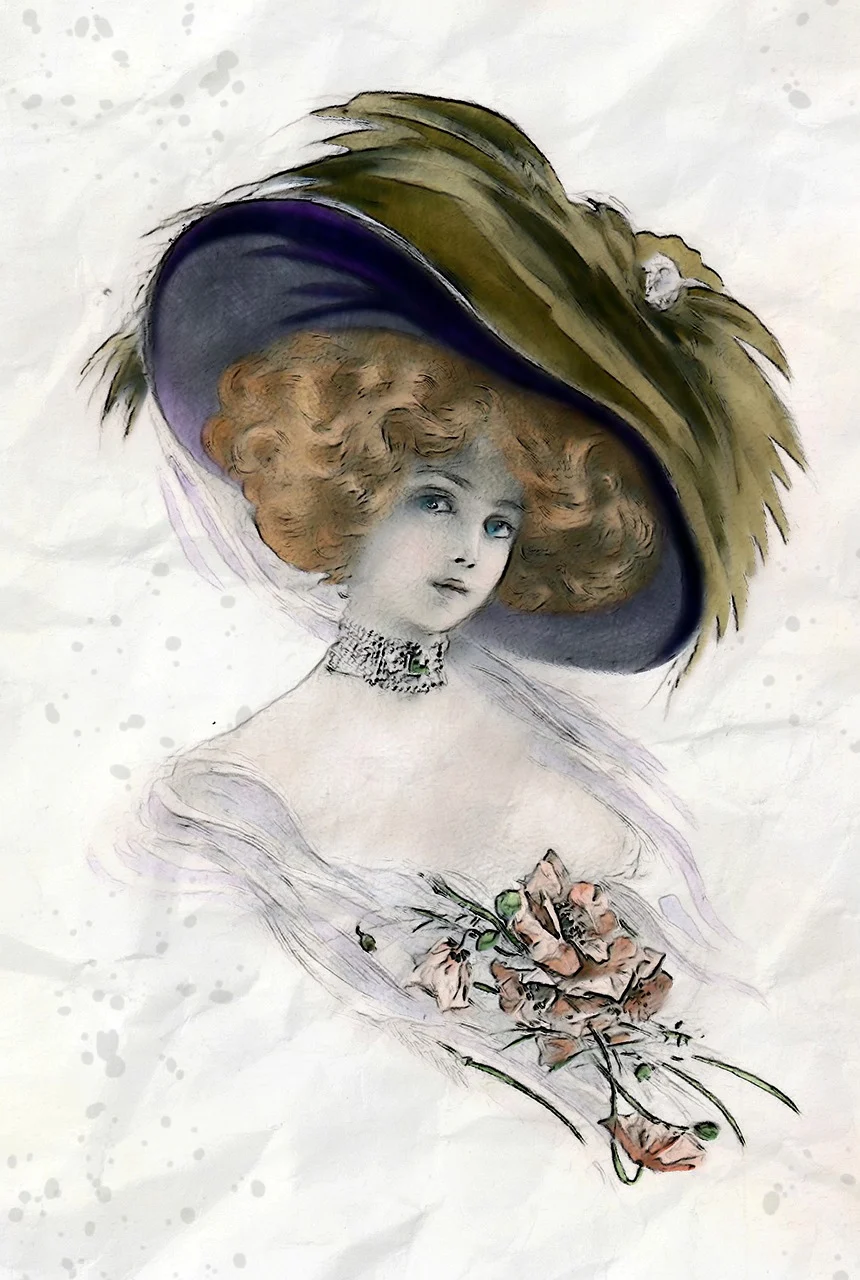
What is 1910s Fashion?
1910s Fashion refers to the clothing styles and trends that prevailed between 1910 and 1919. It was a decade of transition from Edwardian elegance to modern simplicity, heavily influenced by social change, World War I, and the growing independence of women.
At the beginning of the decade, Fashion was still ornate, with long skirts, corsets, and wide-brimmed hats, reflecting the grace and luxury of the Edwardian era. But by the late 1910s, Clothing had become more practical, shorter, and less restrictive—a trend that laid the foundation for 20th-century style.
Key features of 1910s Fashion
1. Silhouette changes
- Early 1910s: Women wore long gowns with high waists, tight skirts, and corsets.
- Mid-to-late 1910s: Corsets declined, skirts reached mid-calf, and looser fits became popular.
2. Impact of World War I
- Clothing became practical and functional.
- Military details such as belts, epaulettes, and trench coats appeared in everyday wear.
- Rationing simplified Clothing and trimmings.
3. Women’s 1910s Fashion
- A shift from ornate gowns to day suits and workwear.
- Popular styles included hobble skirts, chemise dresses, and tailored jackets.
- Accessories: wide-brimmed hats (early 1910s), later small hats, gloves, umbrellas, and handbags.
4. Men’s 1910s Fashion
- The three-piece suit became the everyday standard.
- Military-inspired trench coats entered civilian Fashion.
- Accessories such as hats, pocket watches, and walking sticks remained important.
5. Famous Designers 1910s Fashion
- Paul Poiret: Freed women from corsets, introduced bold, exotic designs.
- Jeanne Paquin & Lucile: Brought the concept of feminine beauty and fashion shows.
Why 1910s Fashion Matters
The 1910s Fashion was the decade that shifted Fashion from tradition to modernity. It paved the way for the flapper revolution of the 1920s, introduced mass-produced ready-to-wear Clothing, and established timeless pieces like the trench coat and tailored suits that we still wear today.
Introduction
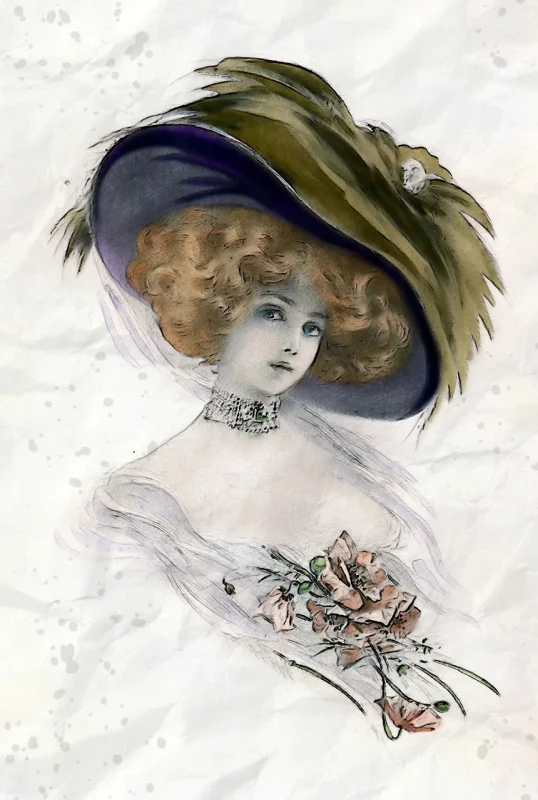
The 1910s were a decade of change that completely reshaped the way people dressed. At the beginning of the decade, Fashion still revolved around the Edwardian elegance of the late 1800s—flowing gowns, corsets, and formals. But by the end of the decade, the world had changed dramatically. World War I, the entry of women into the workforce, and advances in clothing manufacturing transformed Fashion into something far more practical, streamlined, and modern. The 1910s began a break with tradition, setting the stage for the bolder styles of the 1920s.
Early 1910s Fashion: Elegance meets Edwardian influence.
At the beginning of the decade, women’s Fashion was still influenced by Edwardian style, characterised by long, flowing skirts and tightly fitted bodices. High collars, lace embellishments, and pastel shades were popular, giving women a delicate, elegant look.
However, designers like Paul Poiret began to reject restrictive corsets in favour of looser, more natural silhouettes. He introduced harem pants, tunics, and empire waist dresses, which shocked conservative society but pushed Fashion toward greater freedom. This was the first sign of the “modern style” that would dominate the decade.
The Impact of World War I on Fashion
The outbreak of World War I in 1914 radically changed the way people dressed. Luxurious Clothing was in short supply, and practicality became essential. Women entering the workforce needed Clothing that allowed for movement, resulting in shorter skirts, looser blouses, and fitted jackets.
Colours also shifted from pastels and ornate fabrics to darker, muted tones like navy, brown, and gray. Military influences began to be seen: epaulettes, belts, and trench coats made their way into civilian wardrobes. This was the moment when Fashion became less about extravagance and more about functionality.
Changes in Women’s Fashion
One of the biggest changes of the 1910s was the gradual disappearance of the corset. Instead of the exaggerated “S-band” silhouette of the Edwardian era, women began to favour more natural, comfortable shapes.
• The Hobble Skirt (1910–1914): A bold trend that made hems so narrow that women could only take small steps. It was impractical and short-lived, but it was a bold step toward experimentation.
• Practical daywear: By the middle of the decade, women were increasingly wearing tailored suits with skirts that reached mid-calf, paired with blouses and jackets. This style was especially popular with working women and voters.
• Accessories: Early in the decade, hats became wider, adorned with feathers and ribbons. As the war progressed, hats became smaller and simpler. Gloves, umbrellas, and handbags were common finishing touches.
Men’s Fashion in the 1910s
While women’s 1910s Fashion underwent a dramatic change, men’s Fashion also adapted to modern demands.
• Early 1910s Formality: Men still wore morning suits, frock coats, and waistcoats for formal occasions.
• Daywear Evolution: Suit suits — looser, more casual jackets paired with straight-legged trousers — became the norm. The three-piece suit (jacket, vest, trousers) defined the decade.
• Military Influence: Trench coats, originally designed for soldiers in war, entered everyday men’s wear. Colours such as khaki and navy became popular.
• Accessories: Hats remained essential. Bowlers, fedoras, and flat caps were common, while top hats were reserved for formal occasions. Walking sticks and pocket watches added sophistication.
In the 1910s, men’s Fashion moved away from excessive formality, embracing comfort and practicality while maintaining elegance.
Fashion Icons and Designers of the 1910s
The decade saw fashion houses and designers begin to shape trends on a large scale.
• Paul Poiret: Known as the designer who freed women from corsets, he embraced bold patterns, foreign influences, and artistic freedom.
• Jeanne Paquin: The first woman to run a major fashion house, known for her feminine yet modern designs.
• Lucille (Lady Duff Gordon): Famous for introducing the concept of the fashion show with romantic gowns and live models.
These designers influenced not only the elite but also the growing middle class, as their styles were translated into ready-to-wear Clothing sold in department stores.
The Legacy of 1910s Fashion
The 1910s marked the true beginning of modern style. By the end of the decade:
• Women were wearing shorter skirts and moving around freely without corsets.
• Mass-produced Fashion became widely available, making stylish Clothing more affordable.
• Trench coats, tailored suits, and practical separates became timeless staples still worn today.
• The groundwork was laid for the revolutionary flapper style of the 1920s, with its short dresses, bobbed hair, and free-spirited attitude.
Fashion was no longer just about beauty and status—it was about practicality, identity, and modern living.
Conclusion
The 1910s were a decade of change that set the stage for modern Fashion. The influence of war, feminist movements, and leading designers transformed Clothing from restrictive elegance to practical style. This era bridged the gap between the ornate Edwardian past and the free spirit of the Roaring Twenties. More than just a fashion trend, the 1910s represented a cultural shift that still resonates in our clothing styles today.