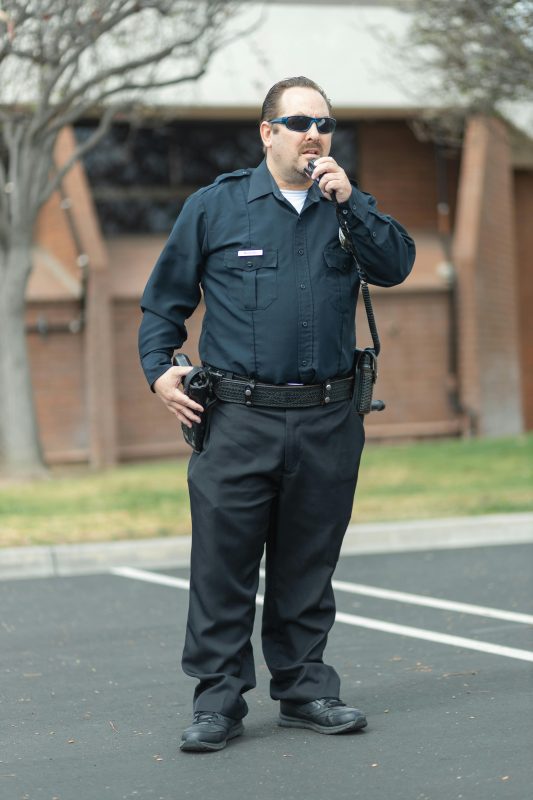
What is a police uniform?
A police uniform is the official clothing worn by law enforcement officers to identify them as members of the police force.
It serves three main purposes:
1. Identification – Helps the public quickly recognize police officers in emergencies or public places.
2. Authority and professionalism – Symbolizes law and order and trust, reinforcing the officer’s role in maintaining safety.
3. Functionality and safety – Designed with durable fabrics, equipment holders, and safety features such as bulletproof vests or high-visibility elements for night work.
Police uniforms typically include standard pieces such as a shirt or jacket with badges and insignia, matching trousers, a utility belt, headgear (such as a hat or helmet), and sometimes body armor. The exact style and colors vary between countries and even between departments, but the goal is always the same — to combine safety, practicality, and a professional public image.
Introduction
A police uniform is more than just clothing — it is a powerful symbol that combines functionality with authority. Every detail, from the fabric to the insignia, serves a specific purpose, whether to convey safety, identity, or professionalism. For the public, it represents law, order, and trust. For officers, it instills pride, discipline, and a sense of belonging to a team with a mission. Studies show that the presence of a uniformed officer can influence public behavior, creating a safer environment. Understanding why police uniforms matter helps to bridge the gap between law enforcement agencies and the communities they serve.
Police Uniform Price
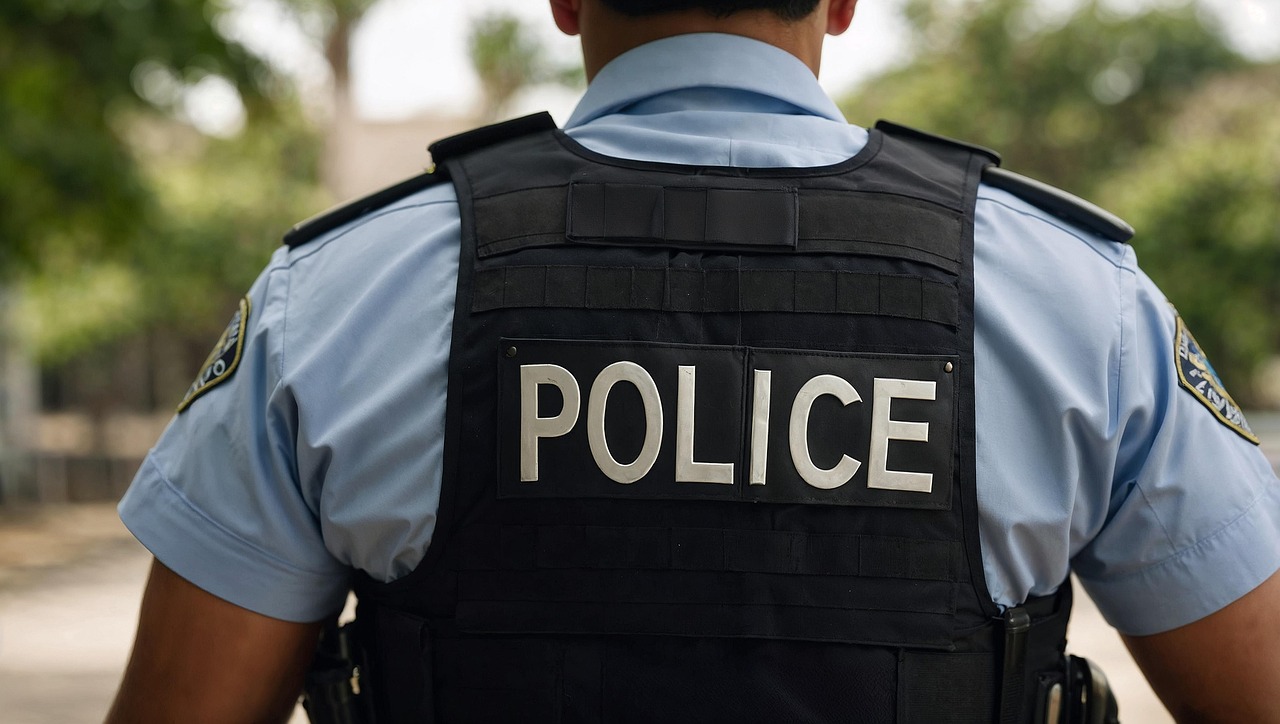
Punjab Police Uniform Expenditures
- The province allocated over PKR 1.108 billion for uniforms in FY 2019–20. This budget included stitched uniforms, cloth, winter jackets, vests, and T-shirts.The Express Tribune
- Back in 2017, the shift to the olive-green uniform required an investment of approximately PKR 950 million.Geo+1
Individual Cost Estimates
- A media report from 2019 notes that a pair of the olive-green uniform (shirt & trousers) cost around PKR 1,950.Dawn
- Prior to that, switching to the older dark blue shirt and khaki pants style was estimated at PKR 2,500 per uniform.
Sindh Police Cost Projections
- For Sindh’s proposed uniform change, calculations estimated that with PKR 2,500 per uniform, supplying two uniforms per officer annually could cost up to PKR 700 million for 125,000 personnel.Dunya News
Officer-Borne Costs
- In Islamabad, police personnel facing uniform delays reported spending around PKR 9,000 just on fabric and stitching for a single uniform. For two uniforms (stitched privately), that added up to PKR 18,000!
Historical Cost Breakdowns
- A 2012 analysis from Sindh estimated uniform costs for junior officers ranged from PKR 3,000 to PKR 10,000 per uniform. The belt alone could be around PKR 1,000, and shoes often start at PKR 4,000.
Consumer Option (Cosplay / Costume Uniform)
If you’re looking for a non-official, costume-style police outfit (perhaps for events or thematic use), there’s an available option:
- Police Officer Uniform Cosplay Costume Set
A costume-style police uniform—designed with classic blue jacket and golden detail accents—priced at PKR 3,499 (discounted from PKR 4,499). Ideal for cosplay or themed use, not an official or authentic uniform.
Summary Table
| Context | Approximate Cost |
| Official olive-green uniform | ≈ PKR 1,950 per set (2019 report) |
| Older blue & khaki uniform | ≈ PKR 2,500 per set (historical estimate) |
| Uniform + belt + shoes (Sindh) | PKR 3,000–10,000+ |
| Officer-bought fabric/uniform (Islamabad) | PKR 9,000 for one; PKR 18,000 for two |
| Cosplay costume set (consumer) | PKR 3,499 (not official) |
- Official police uniforms are typically government-issued; they cost anywhere from PKR 1,950 to 2,500 or more per set, depending on style and province.
- Additional gear—like belts and shoes—can significantly raise the total cost (up to 10,000+ PKR).
- Officers sometimes incur out-of-pocket costs reaching PKR 9,000–18,000 when uniforms are delayed or not issued timely.
- For non-official or theatrical purposes, the PKR 3,499 cosplay set is available—but it’s not sanctioned for real duty use.
Historical Background of Police Uniforms
The history of police uniforms dates back to the early 19th century, with the London Metropolitan Police introducing the first official design in 1829. These early uniforms were inspired by military clothing but used deliberately less aggressive colors to appear more approachable. Over time, uniforms evolved to meet changing demands—from heavy wool suits to lighter, weather-appropriate materials. Modern uniforms incorporate tactical features, body armor, and specialized gear, reflecting the shift toward both safety and operational efficiency. The history of police uniforms mirrors the history of policing itself: adapting to new threats, technologies, and social expectations.
Protective Functions of Police Uniforms
One of the most important roles of a police uniform is to protect the officer.
• Protective Materials: Many uniforms now include bullet-resistant vests and flame-retardant fabrics to protect against physical harm.
• High Visibility: Reflective strips and illuminated vests are used for traffic control and night patrols, ensuring that officers are seen in low-light conditions.
• Equipment Integration: Belts and vests are designed to keep radios, firearms, handcuffs, pepper spray, and other equipment within easy reach.
• Weather Protection: A variety of weather options—from insulated jackets to breathable summer shirts—allow officers to work effectively in any weather.
This combination of safety features ensures that officers can respond quickly while minimizing risks in unexpected situations.
Identification and Public Recognition
The police uniform is instantly recognizable, providing a clear signal of authority and support. Its standardized design—the distinctive colors, badges, patches, and insignia—allows citizens to identify officers in emergencies quickly. This visibility helps deter criminal activity, as the presence of a uniformed officer often reduces the likelihood of crimes occurring. In addition to identification, uniforms represent the police force’s role as guardians of public safety, reinforcing trust between officers and the communities they serve. Consistent uniform standards also reduce confusion among law enforcement and other security personnel.
Professionalism and Discipline
A well-maintained police uniform conveys professionalism and competence. Departments often enforce strict dress codes, ensuring that each officer presents themself in a neat, polished, and respectful manner. This attention to detail affects how the public perceives officers and can influence interactions – a clean, well-fitted uniform often commands more respect and cooperation. For officers, wearing a uniform is a daily reminder of their responsibilities and the ethical standards expected of them. It promotes discipline, unity, and pride in serving the community.
Modern Trends and Innovations in Police Uniforms
Today’s police uniforms are a blend of tradition and innovation.
Improved Comfort: Advances in fabric technology provide lightweight, breathable materials that keep officers comfortable during long shifts.
• Specialized Tactical Gear: SWAT teams, K9 units, and traffic police may have separate uniforms for their duties.
• Technology Integration: Many uniforms now include mounts for body cameras, communication devices, and even GPS trackers.
• Balanced Design: While modern uniforms retain the core elements of traditional police attire, they adapt to the practical needs of policing in the 21st century.
These updates help ensure that uniforms remain functional, protective, and in line with community expectations.
Challenges and Considerations
Designing and maintaining effective police uniforms is not without challenges. Departments must balance safety and mobility, ensuring that protective features do not impede mobility. Cultural sensitivity is another factor—certain uniform elements may be perceived differently in communities, requiring adjustments to build trust. Budgetary constraints also limit how often uniforms can be upgraded or replaced. Additionally, uniforms must withstand heavy wear without losing their professional appearance, creating a constant need for quality control and proper maintenance.
Conclusion
Police uniforms play a vital role in law enforcement, combining safety, identification, and professionalism into a single, recognizable form. It protects officers in the line of duty, enables the public to identify them quickly, and projects a disciplined, trustworthy image. As policing evolves, so do uniforms – incorporating new technologies, materials, and design elements to meet modern challenges. Ultimately, uniforms are more than just clothing; they are a clear commitment to the values of public service, community safety, and law enforcement.